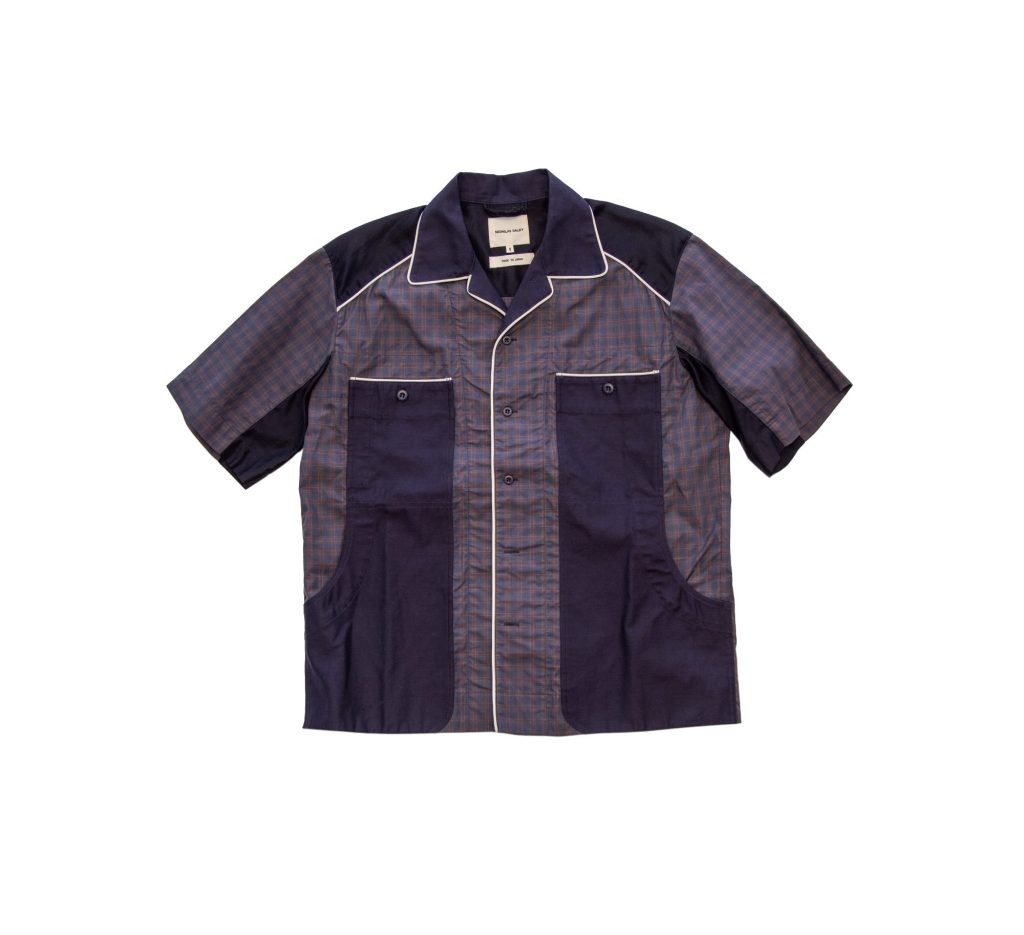
Nicholas Daley was born in Leicestershire in 1989 to a Jamaican father and a Scottish mother, and those two inheritances are the subject of the work rather than a decoration on it. His parents ran the Reggae Klub, a reggae night in Dundee, and its name and its original flyer art still surface in his collections season after season. He graduated from Central Saint Martins in 2013 and launched his own menswear label in London in 2015.
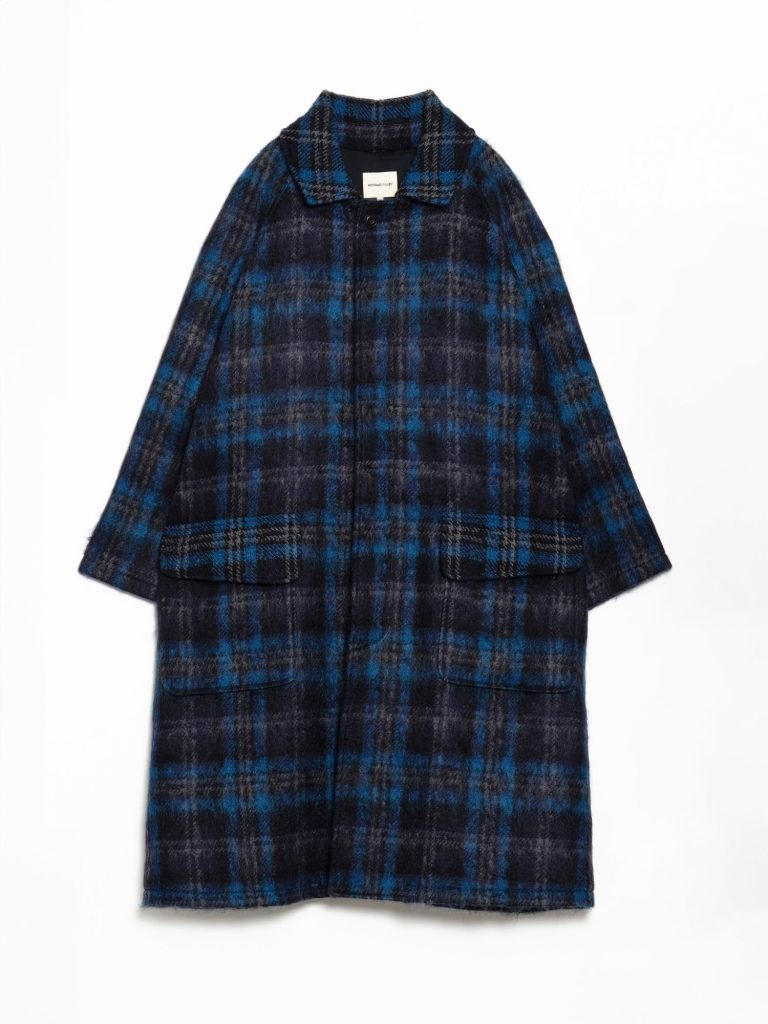
The clothes are built from named cloth. Daley draws his own tartans and registers them, then brings them back across later seasons rather than retiring them, and the setts are milled for him in Selkirk by Lochcarron of Scotland. He returns to Halley Stevensons of Dundee, weaving and waxing since 1864, for the waxed cottons that give the outerwear its weight, and to Scott & Charters and William Lockie in the Borders for knitwear. Hand-knitting and hand crochet sit alongside Irish-woven linens and Japanese checks. Very little of this is a seasonal decision. The same mills and the same makers come back, which is what allows a tartan drawn one year to be cut again three years later into a different garment entirely.
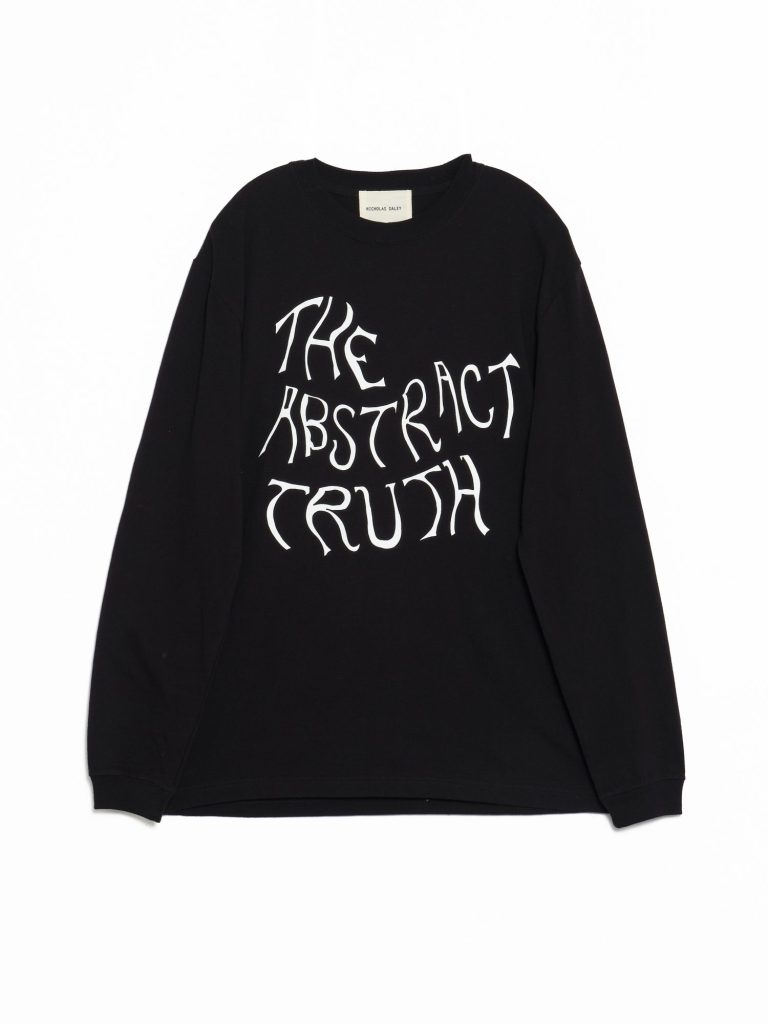
Music is structural in this house rather than decorative. The collections are presented with live performance and the musicians are named on the bill: Yussef Dayes and Alfa Mist have played, and Dennis Bovell scored one of the collection films. The collections take their titles from the same place the cloth does. Reggae Klub, Anansi Rhythm, and Sacred Drums are three of them. The Abstract Truth is named for Oliver Nelson’s 1961 album The Blues and the Abstract Truth. Stepping Razor is built on Peter Tosh, who held a black belt in karate, and the film that carried it starred Jordan Thomas, Britain’s first Olympic karateka.
He joined NEWGEN, the British Fashion Council’s program for young designers, in 2017, and has shown in London since. He was a semi-finalist for the International Woolmark Prize in 2019 and one of eight finalists for the LVMH Prize in 2020, the year the final was canceled and the prize divided equally among them. He received a BFC Fashion Trust award in 2021 and won the BFC and GQ Designer Fashion Fund in 2022. His work has been shown at Somerset House in The Missing Thread: Untold Stories of Black British Fashion, at the V&A in Fashioning Masculinities, and in the National Museum of Scotland’s Fashion and Style gallery, and he took an exhibition of his own, Return to Slygo, to V&A Dundee and to NOW Gallery.
He has worked with Mulberry, Adidas, Fred Perry, Champion, G.H. Bass, and Carhartt WIP, and with the English quilters Lavenham on a sashiko-quilted jacket drawn out of the Stepping Razor project, a piece that is his and sits with the rest of his work. The collaborations are worth reading the way the mills are. They are a few relationships returned to rather than a list of appearances.
The kilt is the garment he returns to most and it is the best place to start. We have taken it in plain black cotton made in England, in green linen made in Scotland, and in his own turmeric and navy check woven in mohair. One wrap, several cloths, and one argument running under all of them: a kilt carrying no clan sett belongs to whoever puts it on, which is a considerably more radical thing to do with the garment than leaving the pattern off altogether.
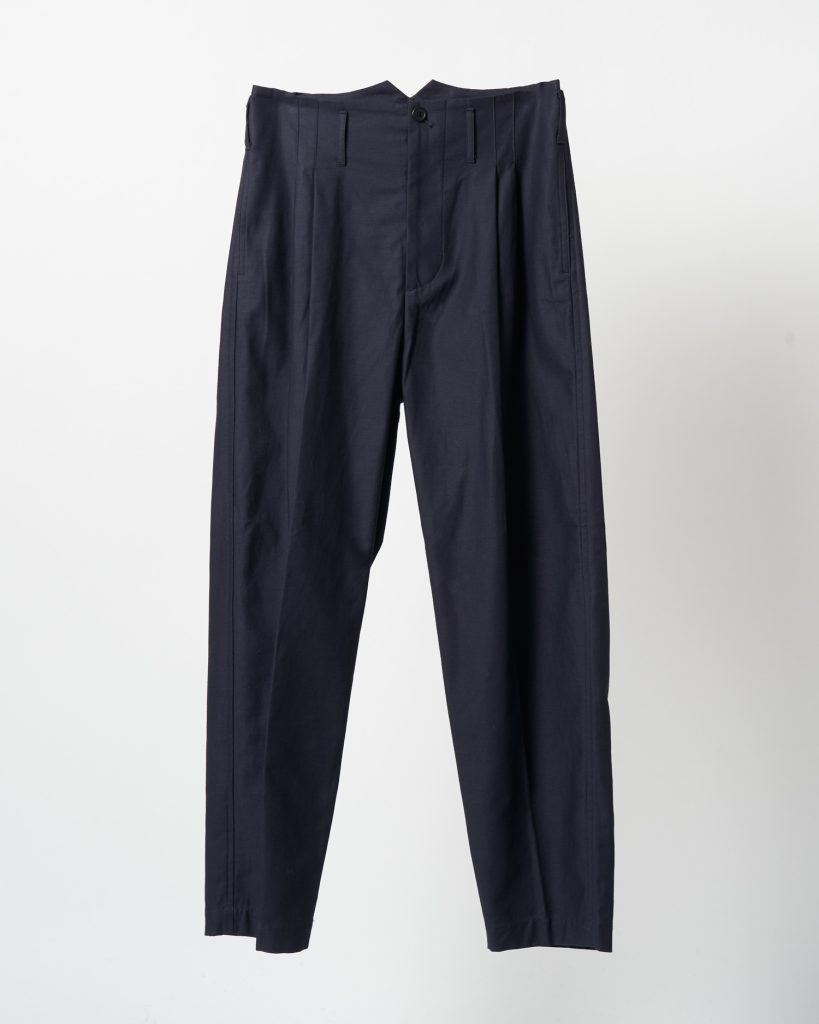
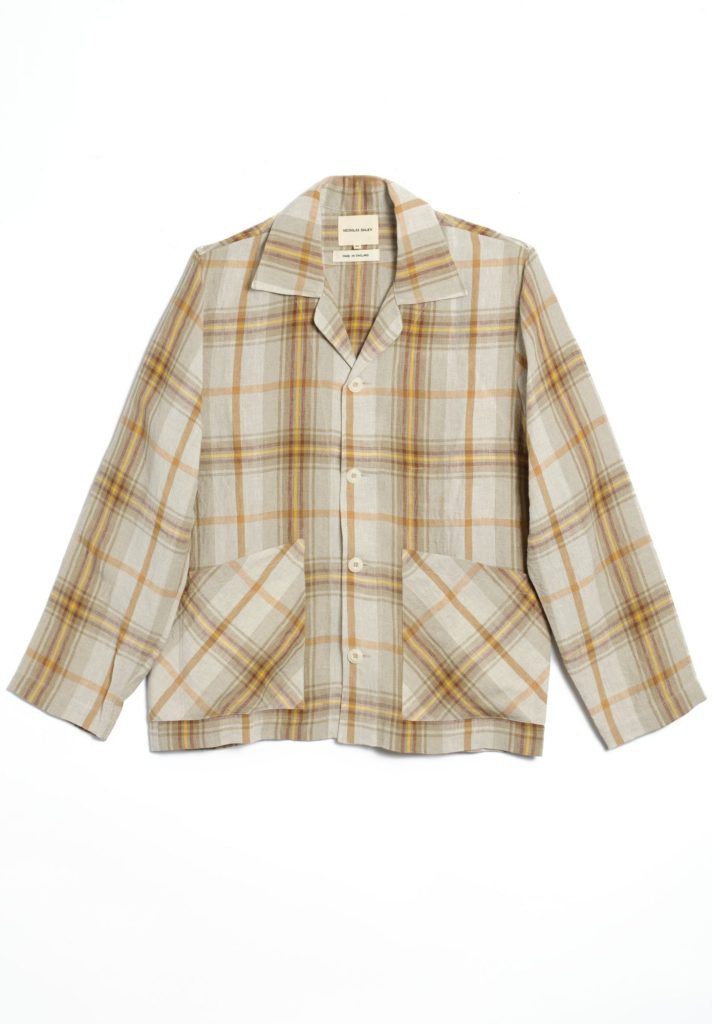
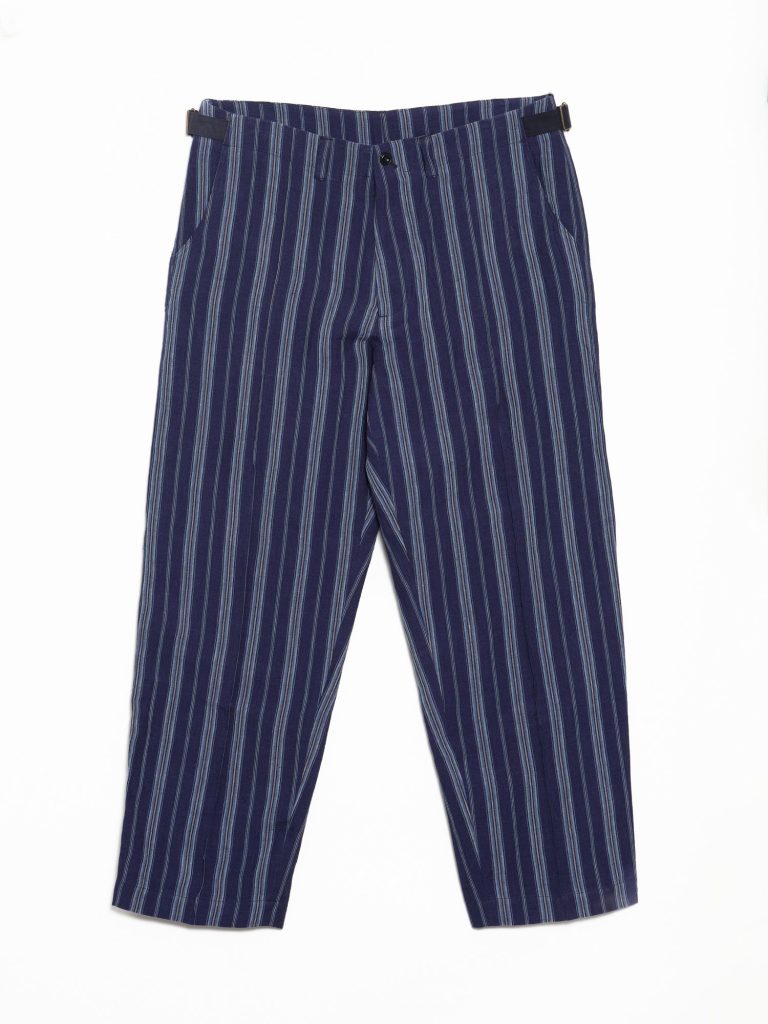
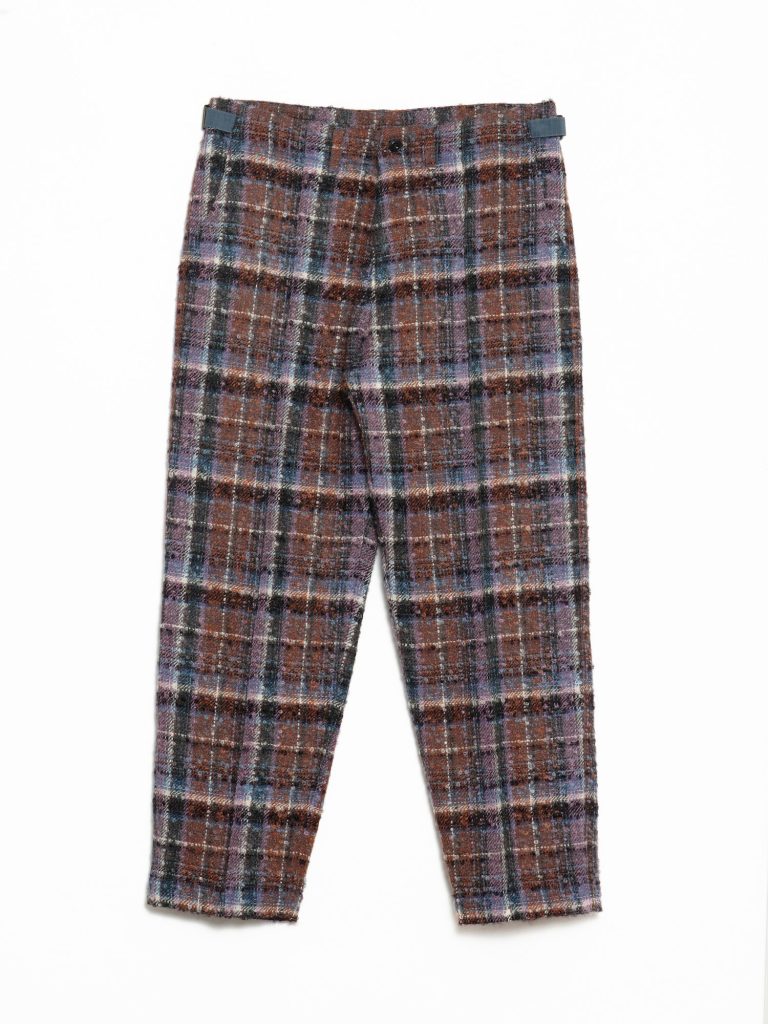
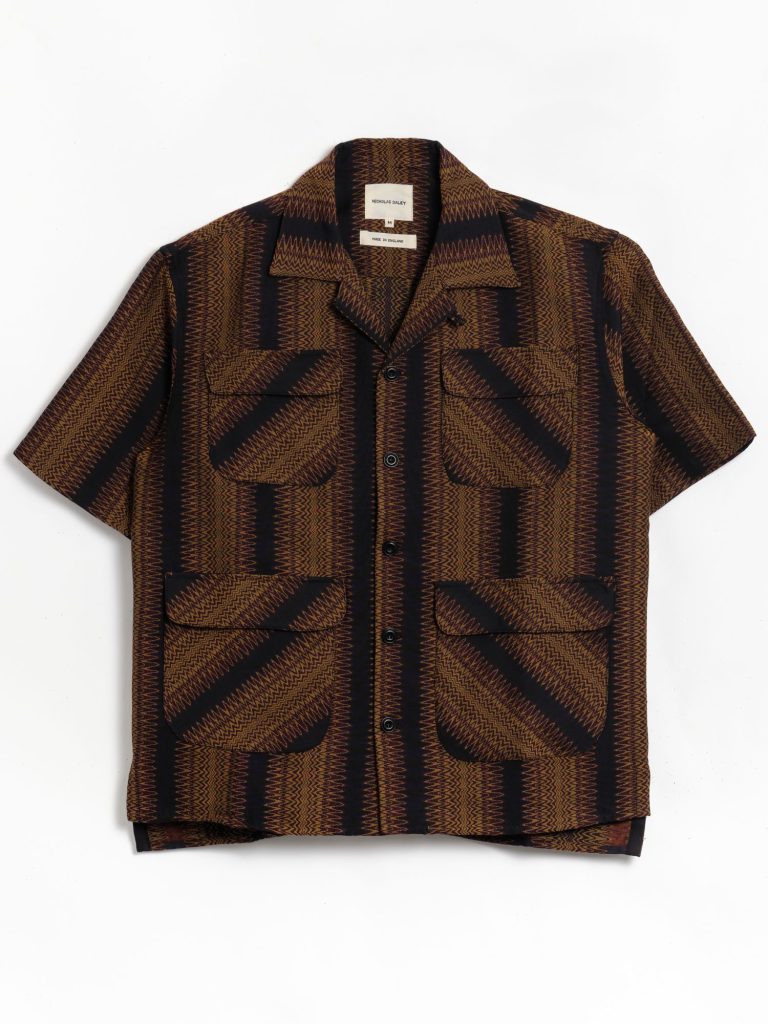
The rest of the selection follows the cloth rather than the category. His own check comes back on a pleated trouser and on a jacket, so the three can be worn together or, more sensibly, one at a time. The Dundee waxed cotton is on the outerwear. The hand-worked pieces, the crocheted hats, the knitted bags, and the hand-knitted shawl, are where the house is least reproducible and least hurried, because crochet cannot be done by machine at any scale and hand knitting cannot be made identical twice. And the trousers, in corduroy, in linen, and in Japanese cotton, are the simplest way into how he cuts.
A note on fit, because his cuts vary more than most. The wrap garments are governed by how they are fastened rather than by a fixed waist, which makes them forgiving. The trousers are drawn wide and are meant to be worn loose, so sizing down to correct the volume fights the pattern. If you are deciding between sizes, call us and we will measure it before you commit.
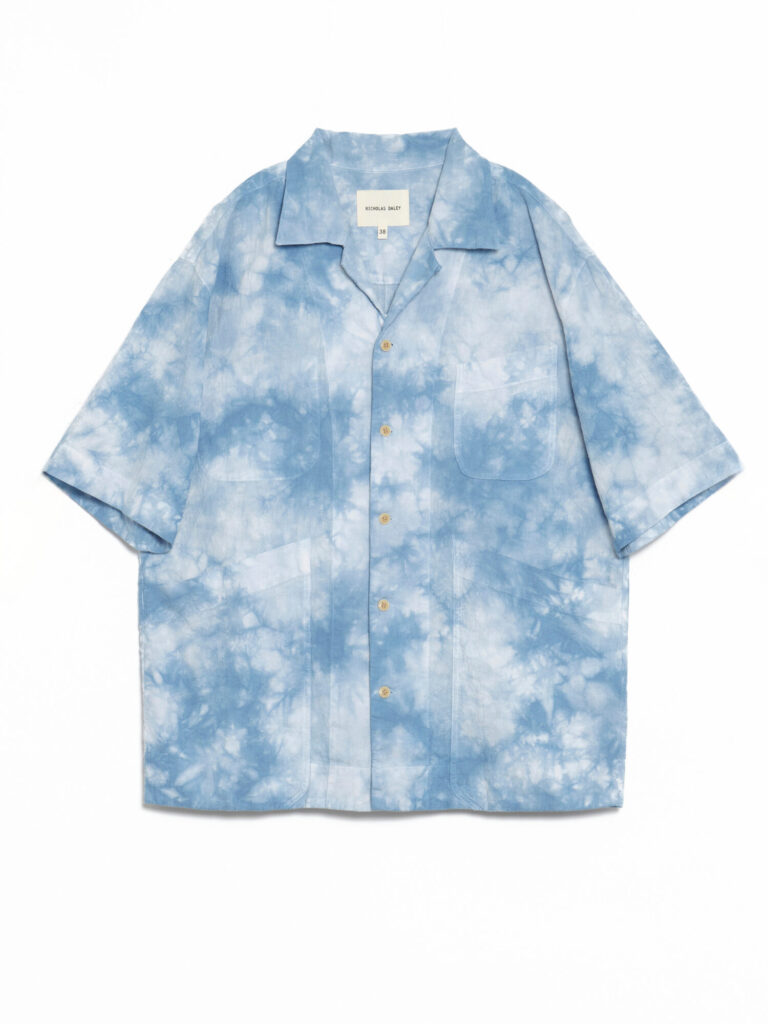
Kilts, tartan trousers, waxed outerwear, hand-knits, shirting, and the corduroys.