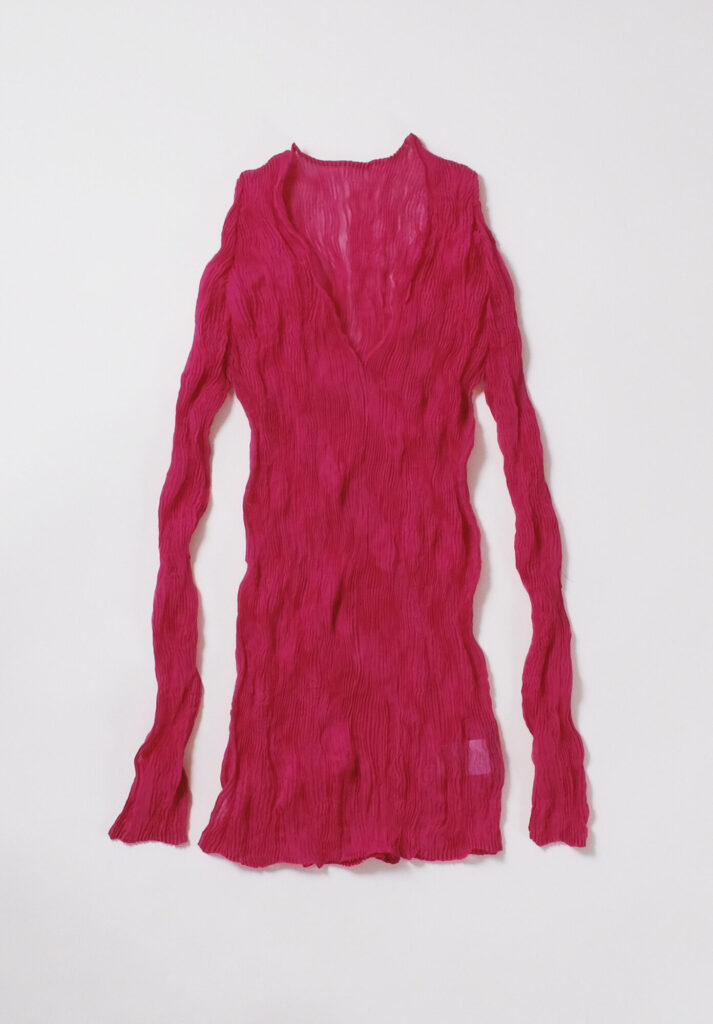
Issey Miyake founded the Miyake Design Studio in Tokyo in 1970, and the studio, rather than the signature, is what the house has always been built on. The first Tokyo shop opened in Aoyama in 1974. Miyake himself was born in Hiroshima in 1938 and died in 2022, and for most of the intervening half century the work proceeded less like a design house than like a laboratory: a question about cloth, then years of research, then a garment that answers it.
“On Aug. 6, 1945, the first atomic bomb was dropped on my hometown, Hiroshima. I was there, and only 7 years old. When I close my eyes, I still see things no one should ever experience…
I have never chosen to share my memories or thoughts of that day. I have tried, albeit unsuccessfully, to put them behind me, preferring to think of things that can be created, not destroyed, and that bring beauty and joy.”
Issey Miyake, Op Ed New York Times
The idea underneath everything that followed is the one the house states first about itself: making clothing from a piece of cloth. Not a piece of cloth as a metaphor, but as a working constraint, and the constraint holds the whole method in place. What Miyake set out to study was the relationship between a body, the cloth that covers it, and the space held open between the two. Western tailoring closes that space by cutting the cloth to the body. Miyake left it open, and then spent fifty years finding out what could live in it.
The pleating is the most familiar answer and the least understood one, because almost everyone has the sequence backward. Pleated cloth is not cut into a garment. The garment is cut and sewn first, at two or three times its finished size, in a synthetic yarn with memory in it. That oversized garment is then folded, laid between sheets of paper, and fed through a heat press, which shrinks it to its true size and sets the pleats in the same instant. The house calls the result product pleats, and product is the operative word: the pleats belong to the finished object rather than to the fabric it was made from, which is why they run where the body needs them to and why they do not come out. The technique arrived in public in 1991, in clothing Miyake made for William Forsythe’s The Loss of Small Detail at the Frankfurt Ballet, on dancers who had to be able to move in it. PLEATS PLEASE ISSEY MIYAKE followed in 1993, offered as clothing that was easy to wear, easy to care for, and easy to travel with. HOMME PLISSÉ ISSEY MIYAKE arrived in 2013 on the same principle.
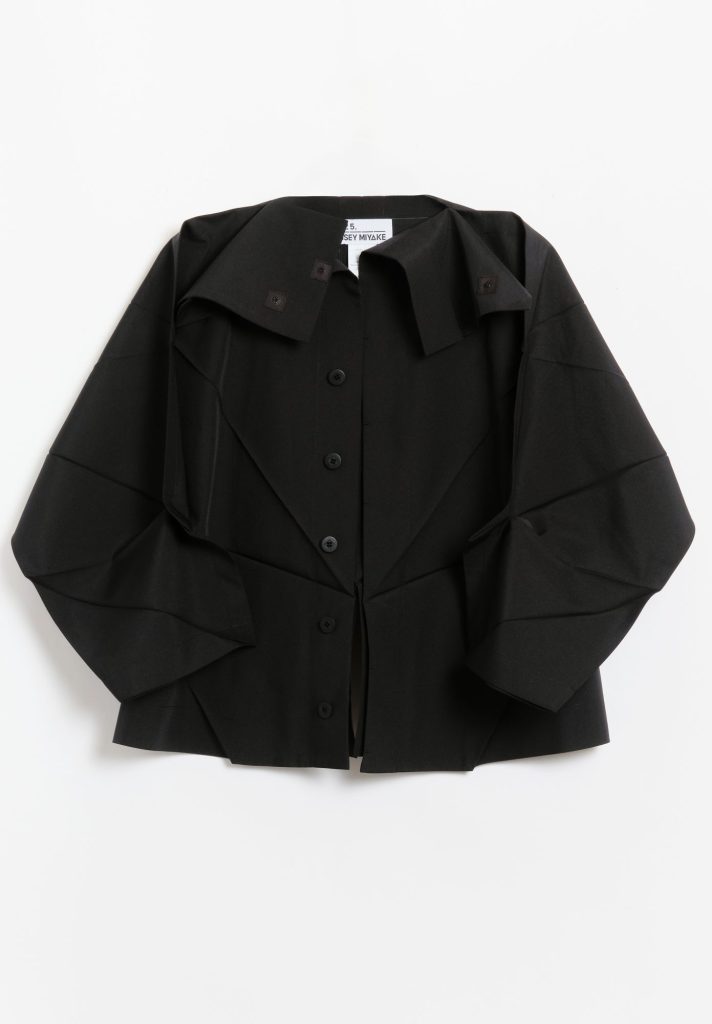
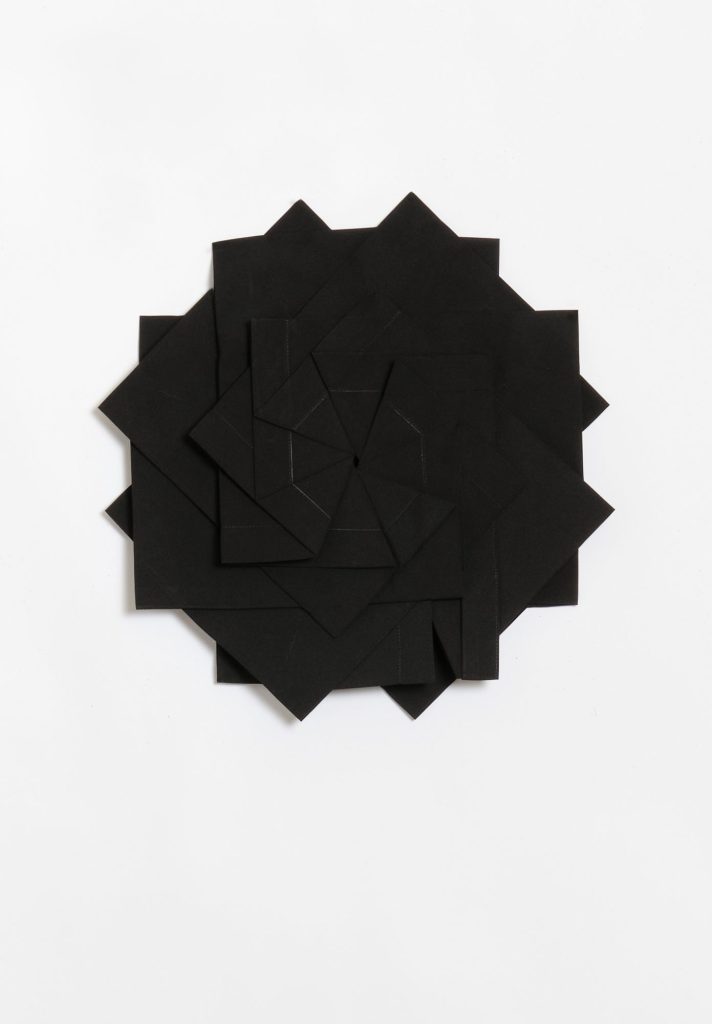
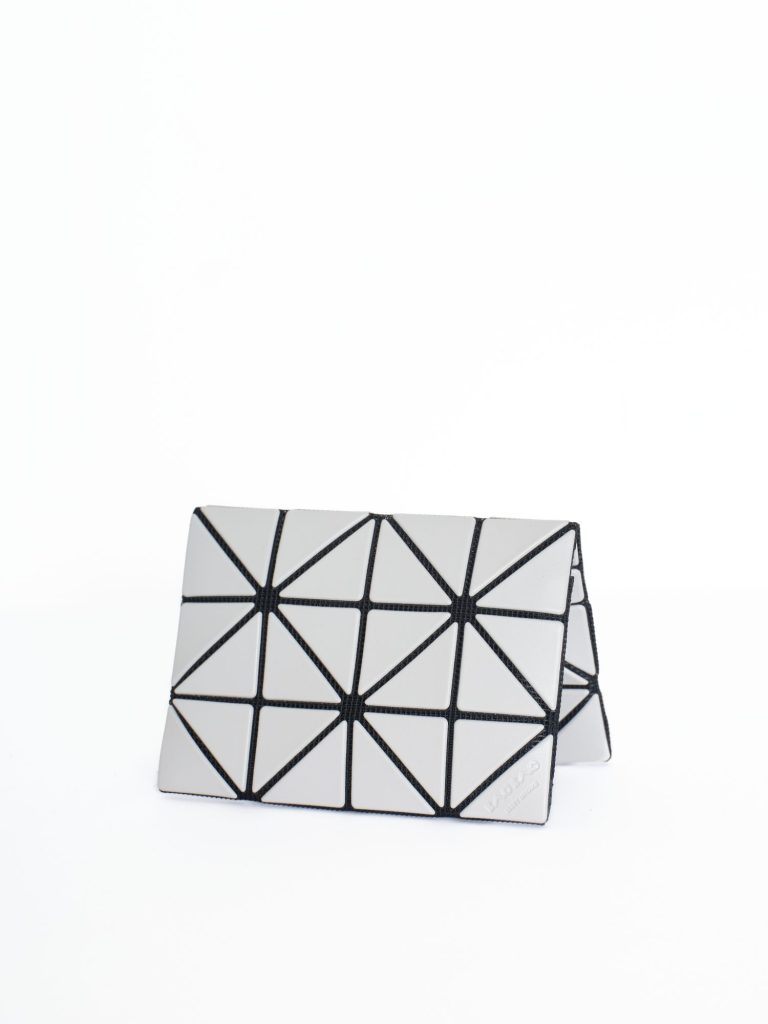
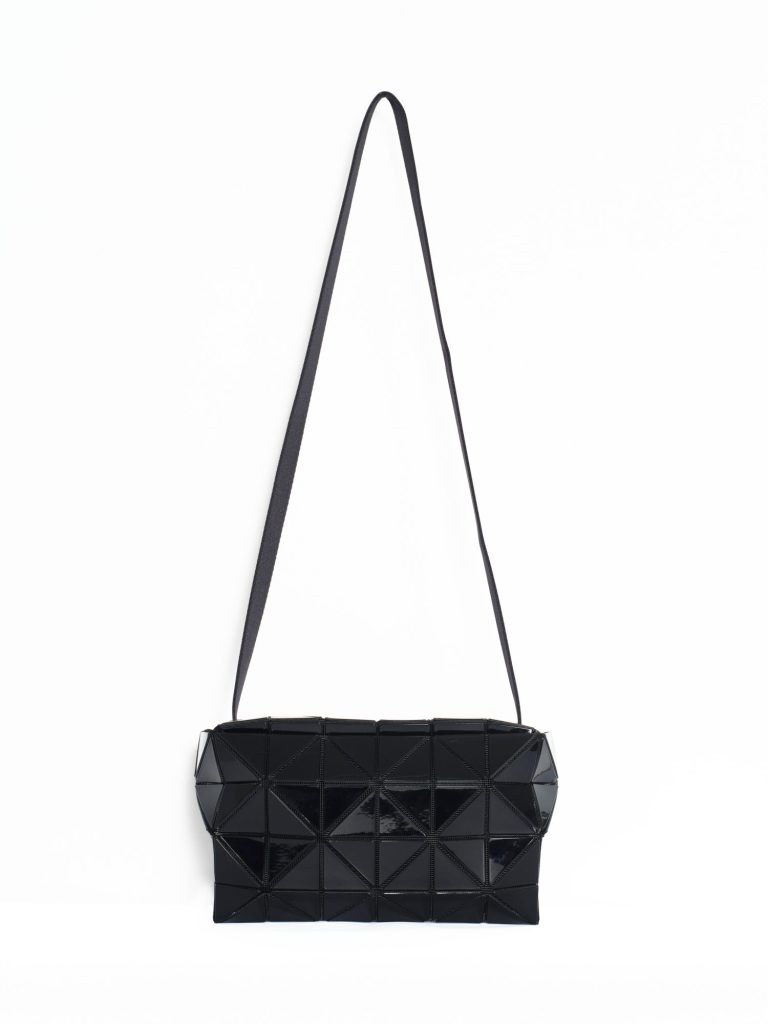
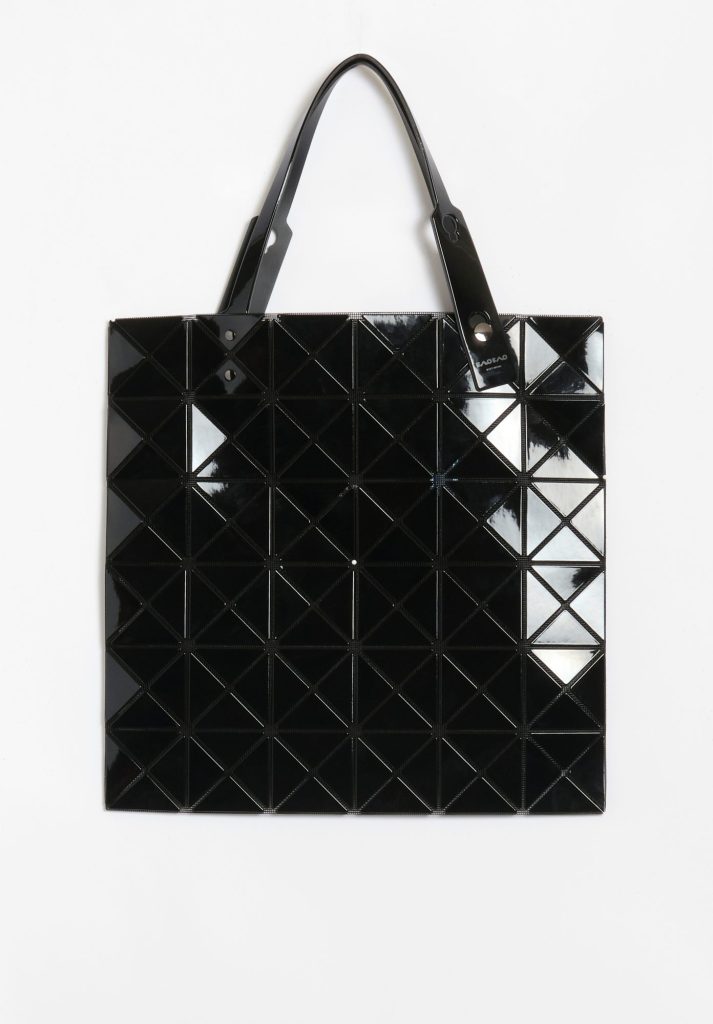
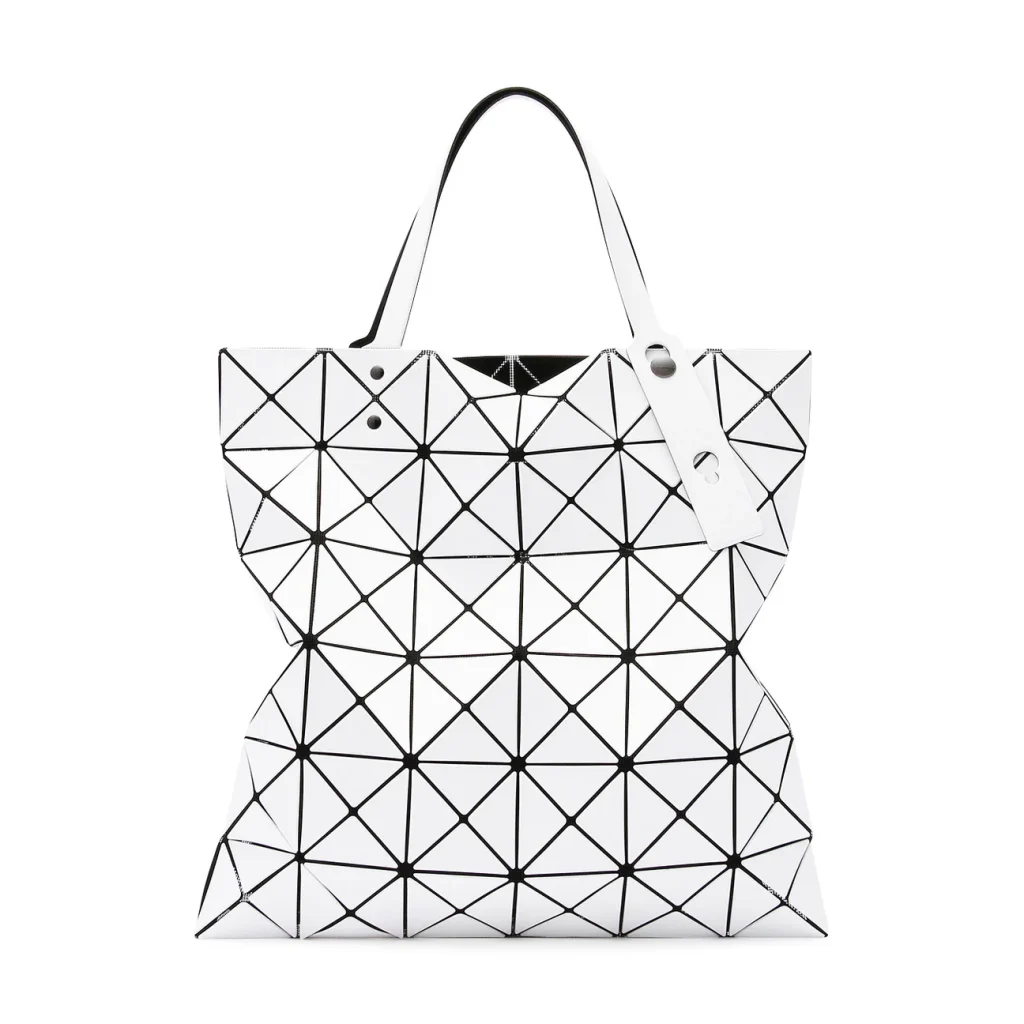
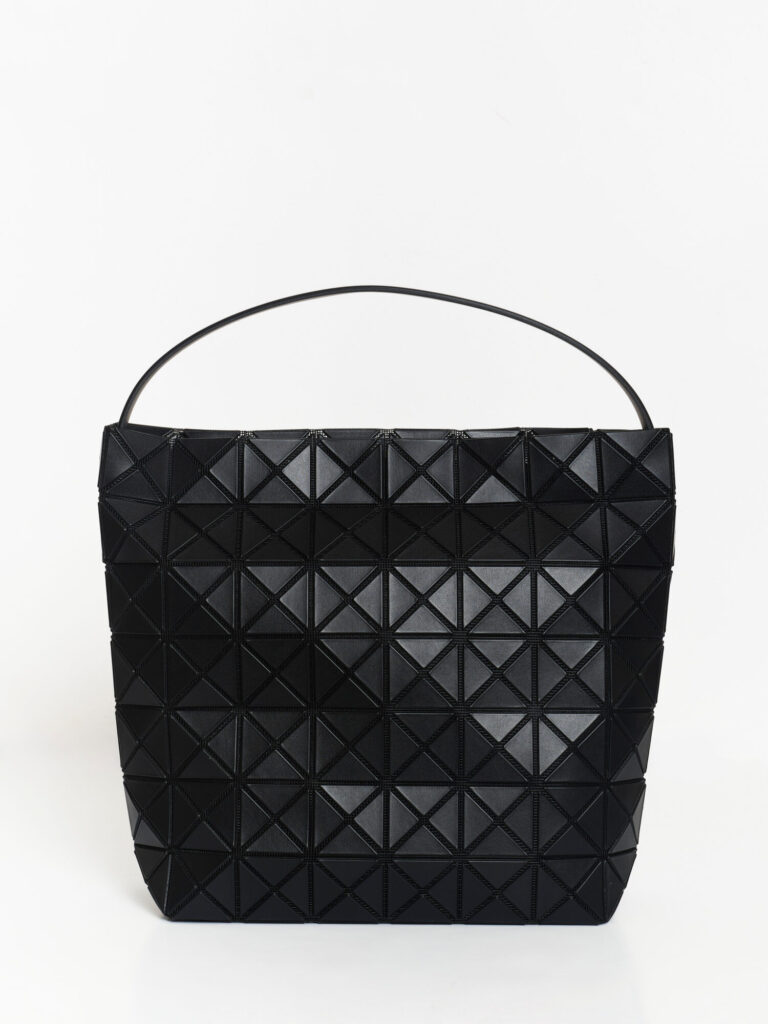
The other lines are the same question asked of different materials. A-POC, begun in 1998 with Dai Fujiwara, feeds a single thread into a computer-programmed industrial knitting or weaving machine and produces a continuous tube of cloth from which finished garments are cut out without waste. 132 5. ISSEY MIYAKE, launched in 2010 out of the studio’s Reality Lab, starts from flat geometric folding and opens into a garment, so the piece is a two-dimensional object until somebody puts it on. BAO BAO ISSEY MIYAKE, launched the same year, builds a bag out of triangles on a flexible ground so that it lies flat empty and finds its own three-dimensional shape as it fills.
Satoshi Kondo was named designer of the main line in 2019 and showed his first collection for Spring/Summer 2020. The line under him has stayed where it was: architectural silhouettes, clean geometry, and pleating used structurally rather than decoratively. That continuity is not deference. It is how the place has always worked, and the studio has described its own habit as a group mentality, the “we” rather than the “I.”
“I believe there is Hope in Design.
Issey Miyake
Design evokes Surprise and Joy in people.”
The main line, PLEATS PLEASE, HOMME PLISSÉ, and BAO BAO are gathered on this page rather than given pages of their own. That grouping is deliberate. They are not separate brands with a shared surname; they are applications of one set of ideas to different materials and different lives, and reading them together is the only way the ideas are legible.
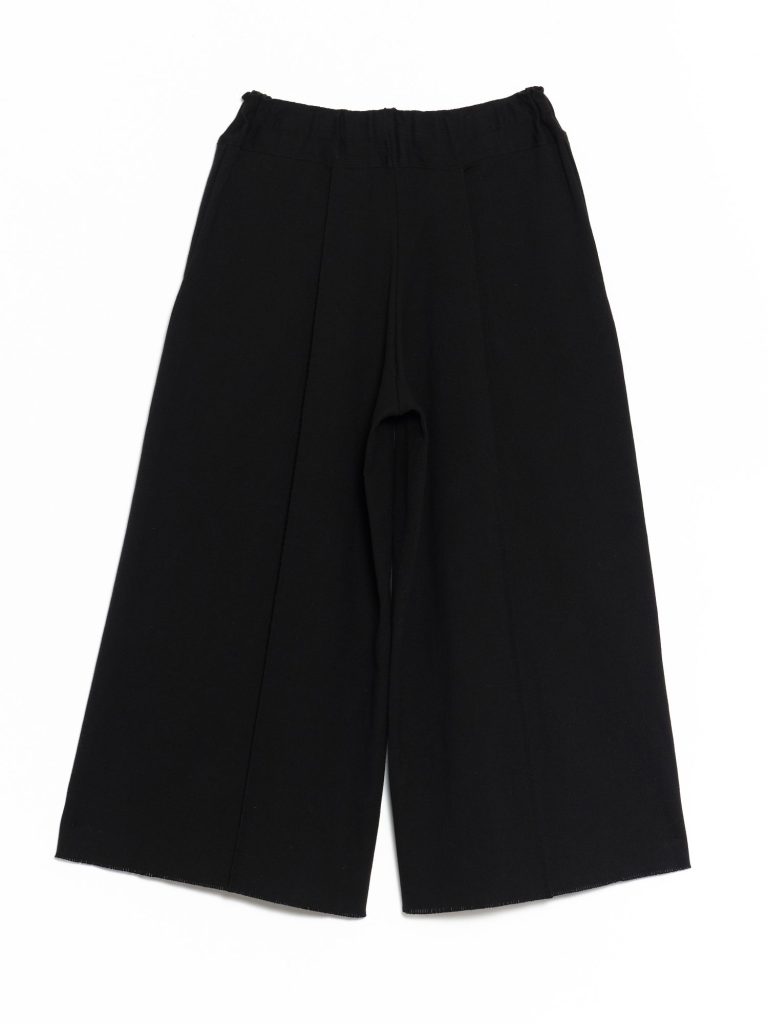
The pleated pieces are the spine of the selection, in the main line, in PLEATS PLEASE, and in HOMME PLISSÉ: dresses, shirts, jackets, cardigans, and trousers where the pleat is doing structural work and not ornament. Around them sit the pieces that show the studio thinking in other materials. There is a Rustic Silk shirt and skirt in ivory. There is a shirt and a trouser cut in a blend of cupro and paper, which is as unusual under the hand as it sounds. There are 132 5. pieces, a Pressed Flora series, a Campagne trouser in a cotton and nylon cloth with enough body to stand a pressed center crease upright without a scrap of tailoring behind it, and the BAO BAO bags in their triangular tiles.
One practical thing, because it is the question we are asked most and the answer surprises people. The pleats are heat-set into a synthetic fiber and are permanent. They survive washing. Wash at 30°C or below in a laundry net on a short cycle, or press gently by hand, and let the garment dry on its own. What destroys pleats is heat, which is the opposite of what the garment looks like it wants: never tumble dry, never iron, never steam, and no fabric softener, which relaxes the pleats out of the cloth. Store the piece rolled along the direction of its pleats rather than hung for long periods. That is why these travel the way they do. Our fabric care guide covers the rest, and each product page carries anything specific to the piece.