Rei Kawakubo took a degree in the history of aesthetics at Keio University, worked in the advertising department of a textile company, and was a freelance stylist by 1967. She came to clothing from art history and from advertising rather than from a design school. She began selling under the name Comme des Garçons in Tokyo in 1969, established the company in 1973, showed for the first time in 1975, and added menswear in 1978. She has run the house, creatively and commercially, for the whole of its life, and still does.
Paris came in 1981. What she showed was black, asymmetric, and deliberately unfinished, cut so that a garment proposed a shape rather than followed one, and the Paris press received it as an affront rather than as a collection. That judgment did not survive. The vocabulary of that decade is now so general that it has become difficult to remember it had an author, which is the usual fate of work that turns out to be right early.
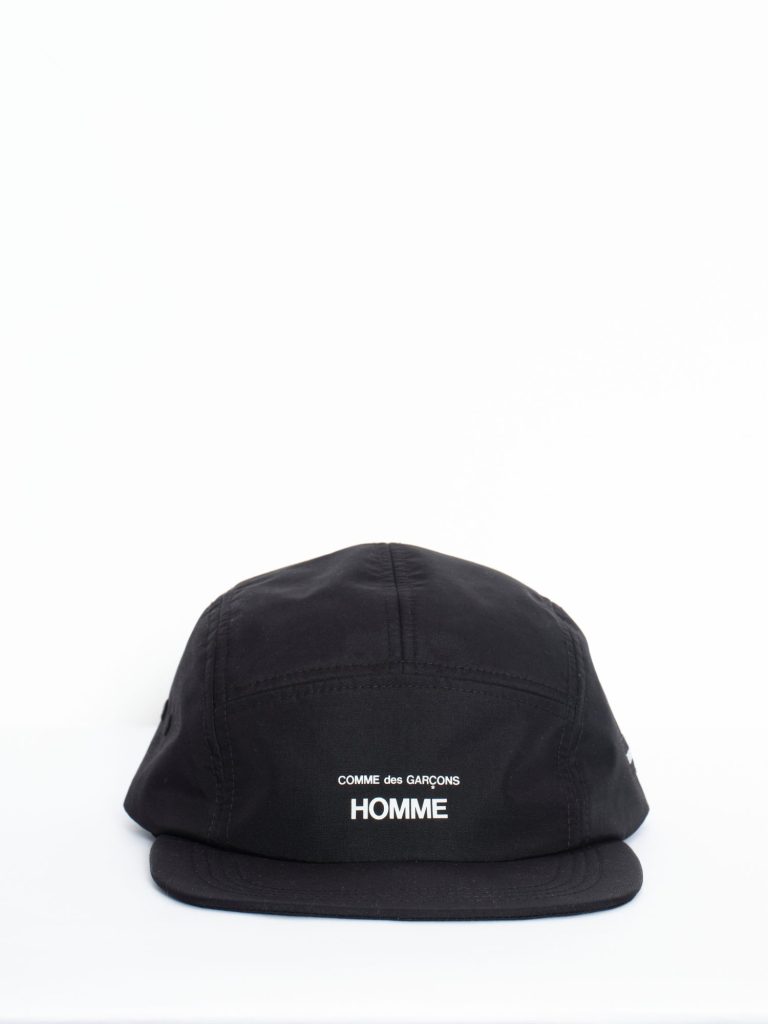
The house has never been one signature. Junya Watanabe joined the company in 1984, worked on its Tricot line from 1987, and in 1992 designed a first collection under his own name inside it; he showed in Paris the following year and added menswear in 2001. Comme des Garçons Homme and Comme des Garçons Homme Plus run the men’s argument on their own terms rather than as translations of the main line. In 2004 the company opened Dover Street Market in London.
In 2017 the Costume Institute at the Metropolitan Museum of Art gave Kawakubo a solo exhibition, Rei Kawakubo/Comme des Garçons: Art of the In-Between. It was the second time in the department’s history that a living designer was the subject of one. The first was Yves Saint Laurent, in 1983.
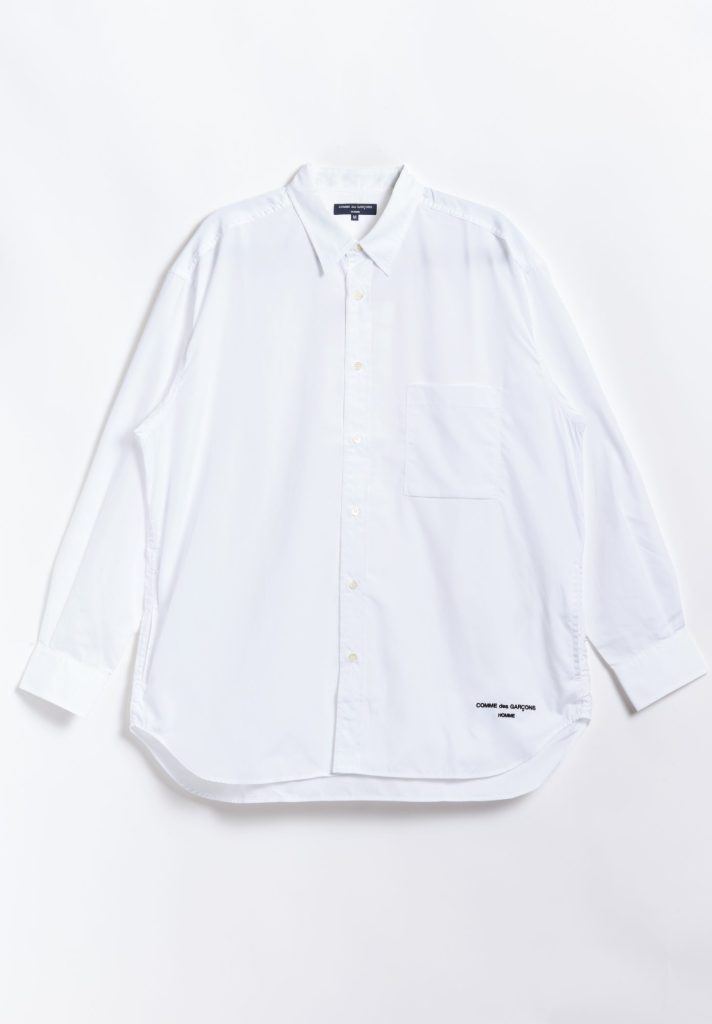
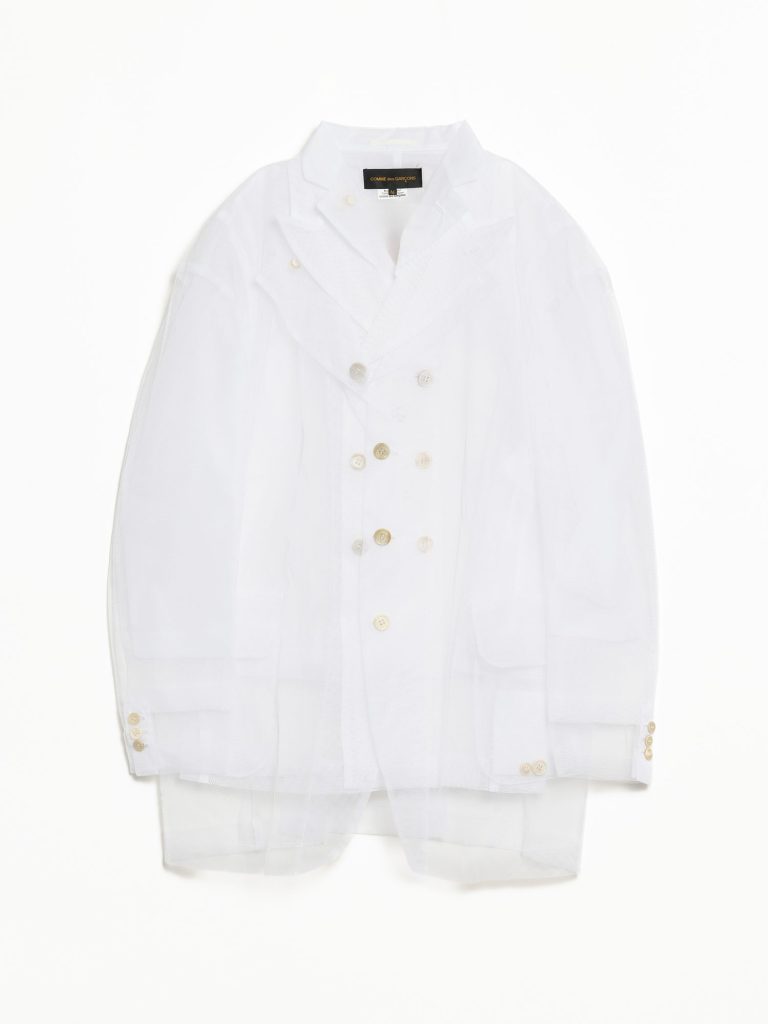
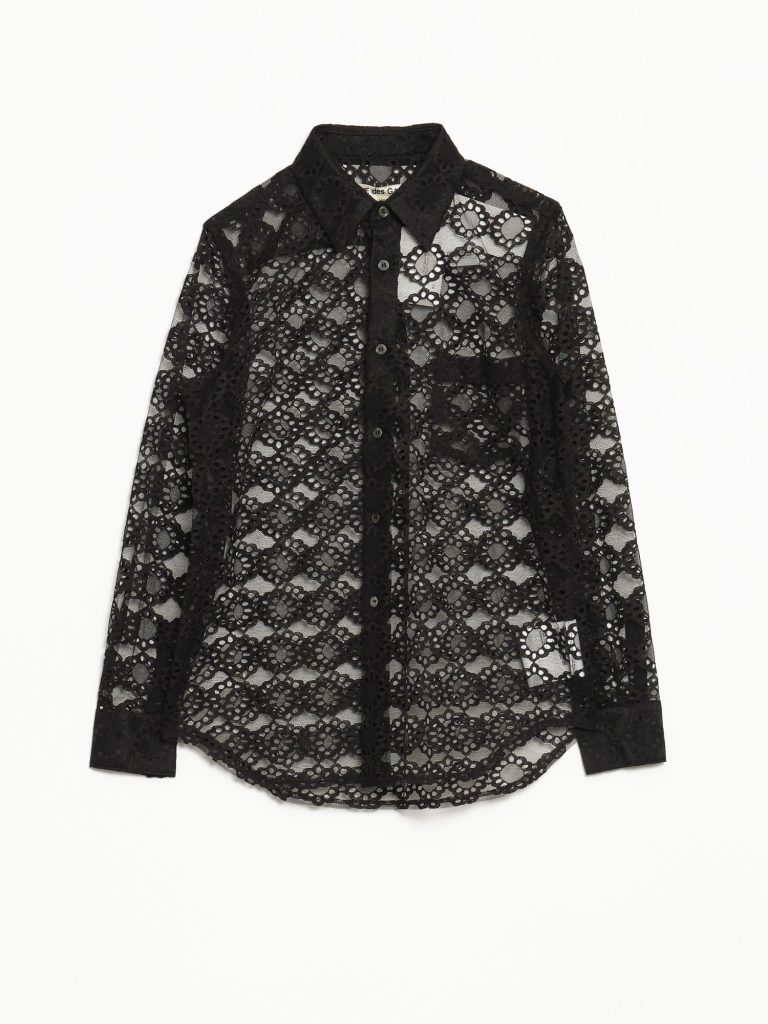
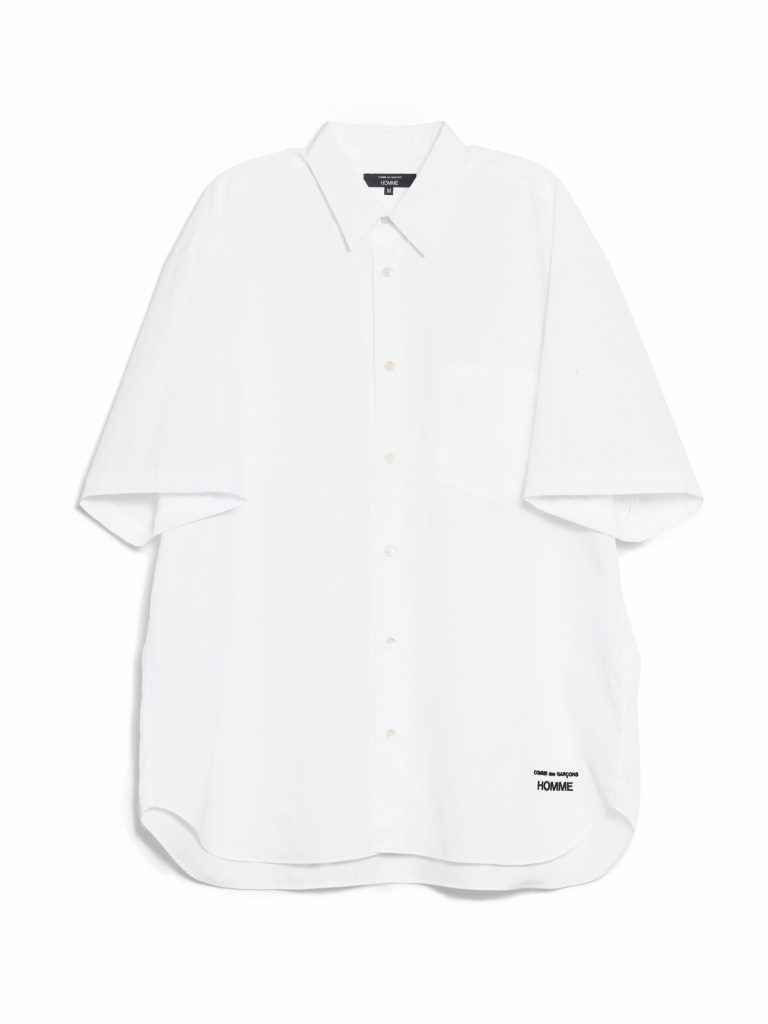
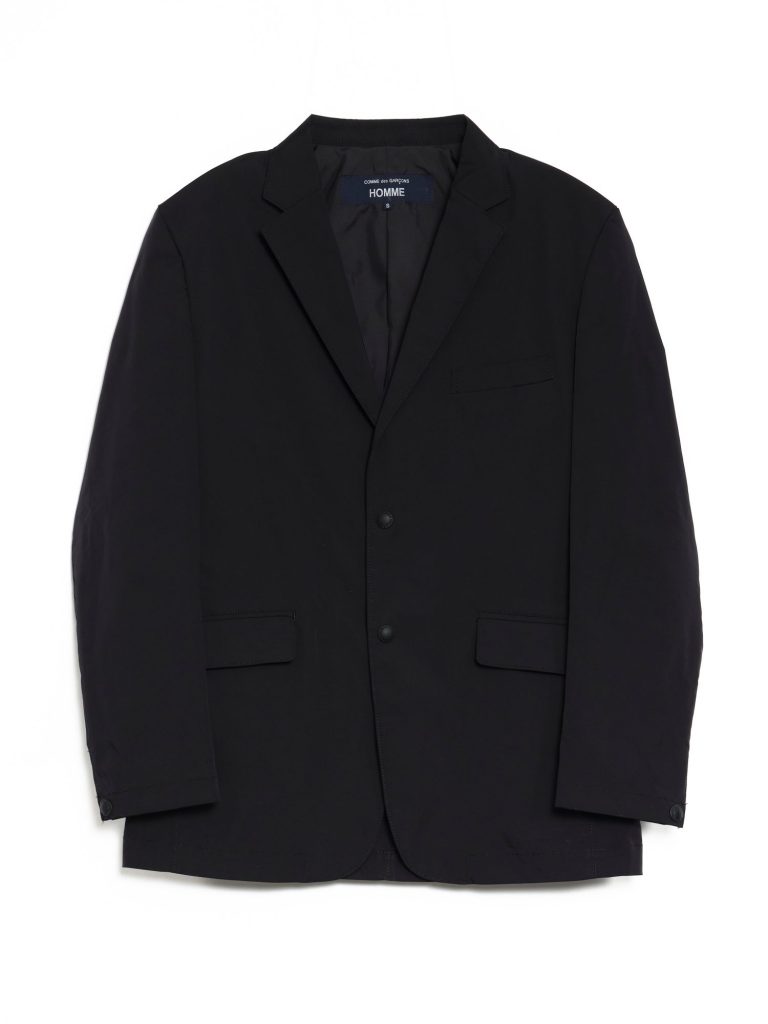
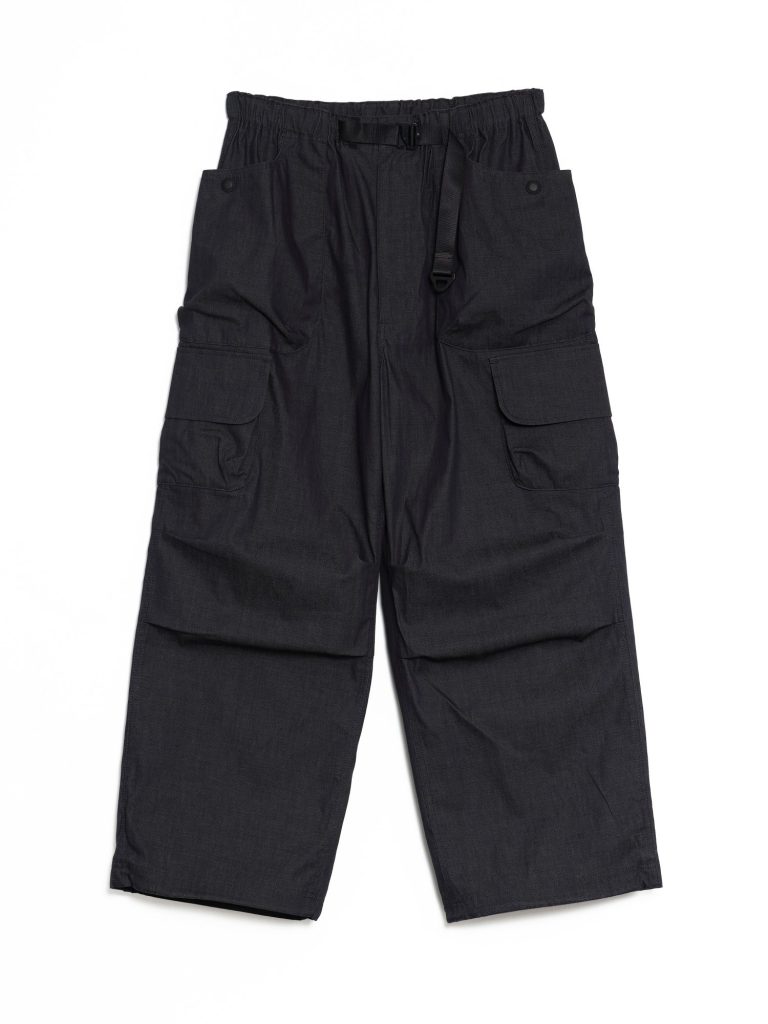
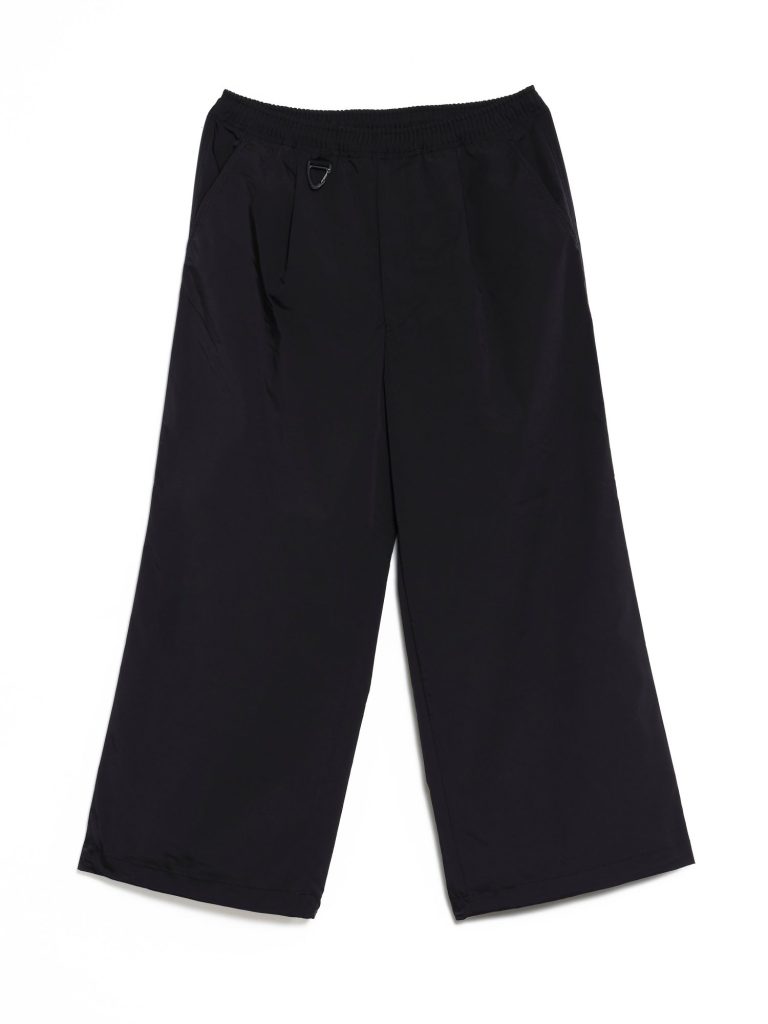
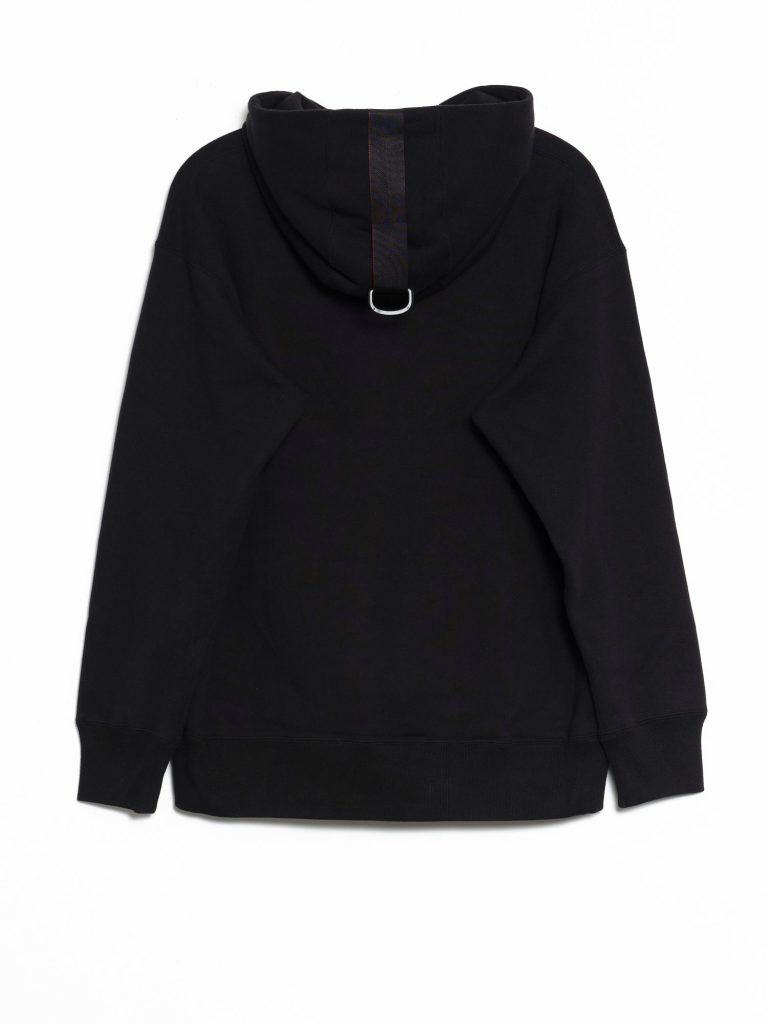
The selection runs across the main line, Comme des Garçons Homme, Comme des Garçons Homme Plus, and Junya Watanabe, which means it runs at several temperatures at once. On one side, the layered pieces: organdy, tulle, and mesh worn over something solid, eyelet and ruffled shirting, pleated and balloon-cut trousers, blazers cut asymmetrically or opened at the back. On the other, the plain and hard-wearing half of the house: gingham shirts, fatigue trousers, fleece, wool jackets, a nylon bomber. Both halves are the same argument. One of them states it loudly.
There are also the sneakers the house has made with Salomon, Nike, and New Balance. And there is Junya Watanabe, who is worth treating as his own designer rather than as a line, which is what the company has always done with him.
This is a house where the label on the neck does not tell you which of its designers cut the garment, and where the sizing does not resolve to one system. If you are choosing between pieces, or between lines, call the shop.
Men’s and women’s, the main line and the men’s lines together.