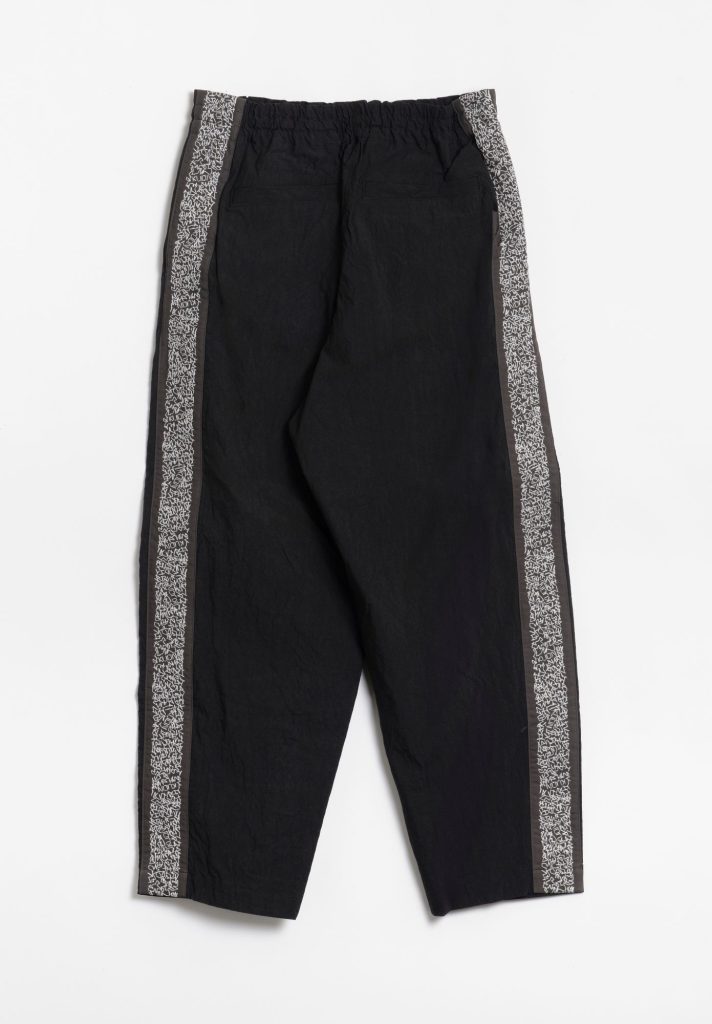
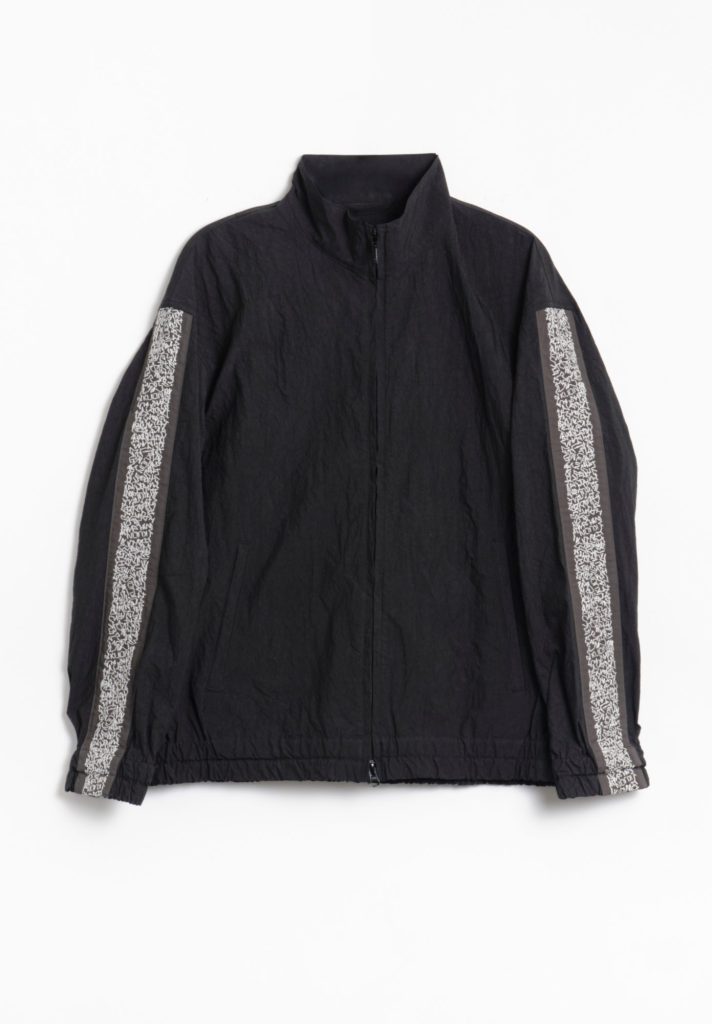
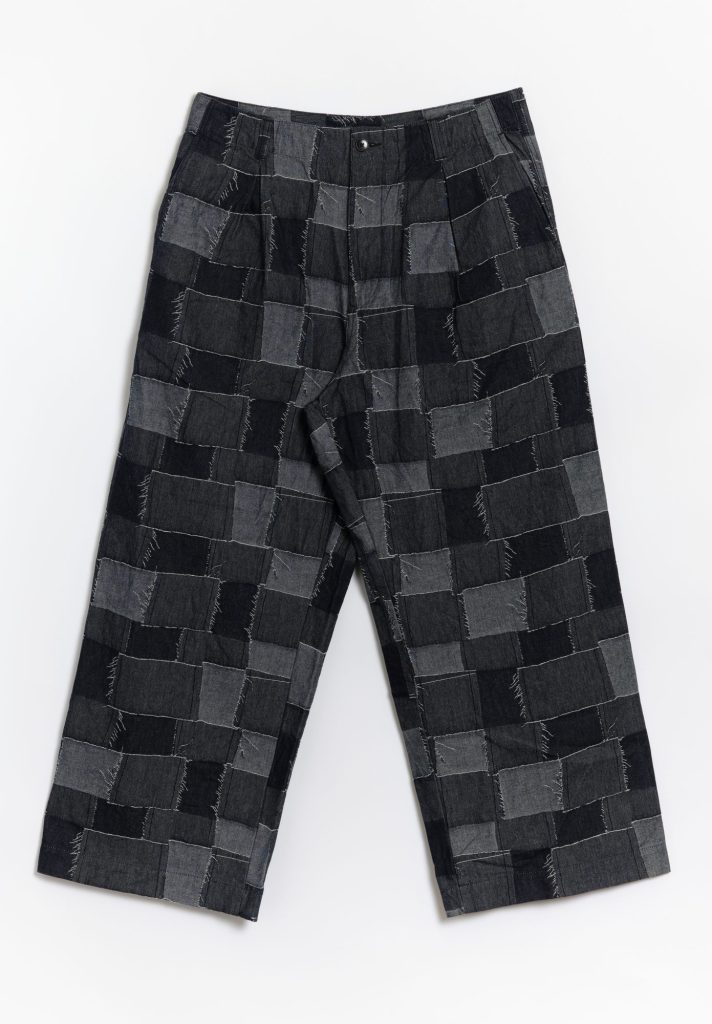
KUON was founded in Tokyo in 2016 by Arata Fujiwara and Shinichiro Ishibashi. Its subject is boro, the Japanese practice of patching worn indigo cotton over and over, layer on layer, until a work jacket or a bedcover became a stratified record of its own repair. Boro came out of necessity in the cold northern provinces, and it was for a long time an embarrassment in Japan, read as evidence of poverty rather than of skill. Collectors abroad understood it as art first. KUON works with the actual cloth, sourcing antique boro and remaking it, and with the hand techniques that produced it in the first place.
The result is not costume, which is the trap this material sets. The house puts these methods onto ordinary garments. A hoodie, a blazer, a pair of trousers. The whole vocabulary sits in the product names: aizome, natural indigo dyeing; sashiko, the running stitch used to reinforce cloth; Arimatsu shibori, the resist-dyeing tradition of an old post town on the Tōkaidō that is now a district of Nagoya; suminagashi, ink floated on water and lifted onto fabric; kumihimo, braided cord.
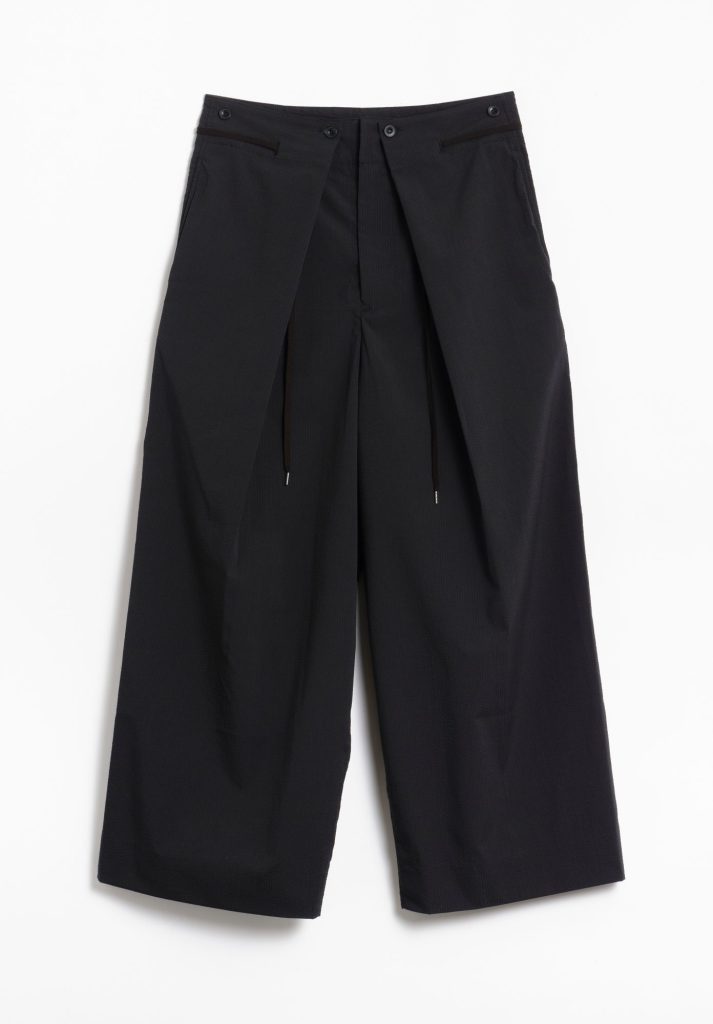
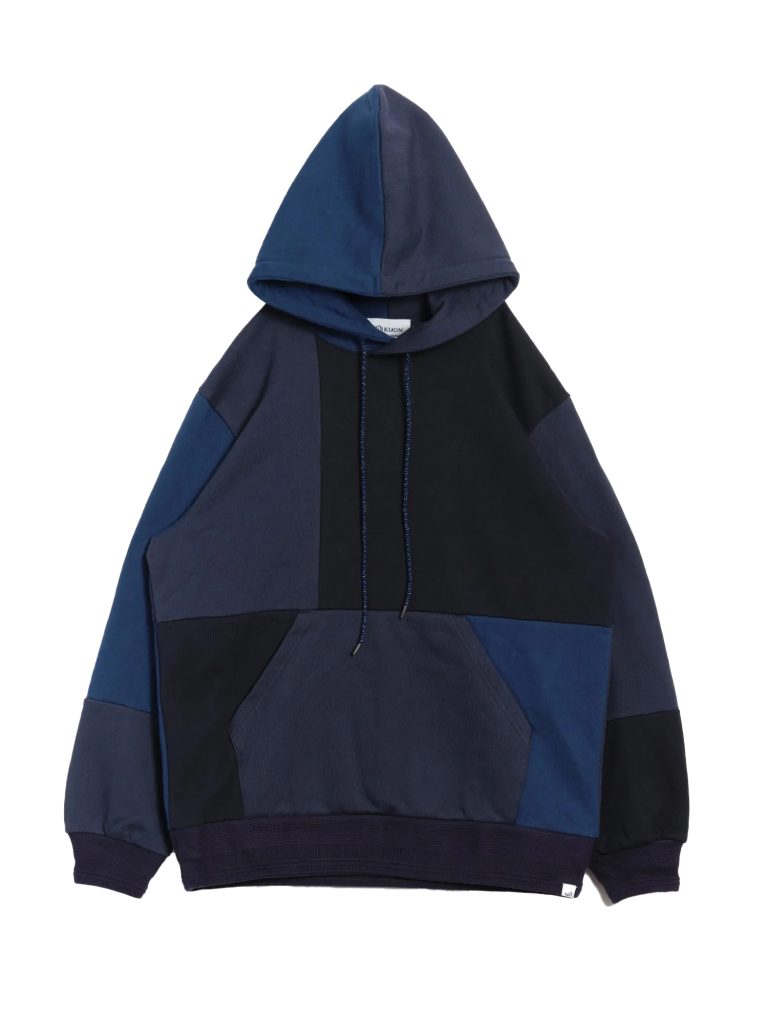
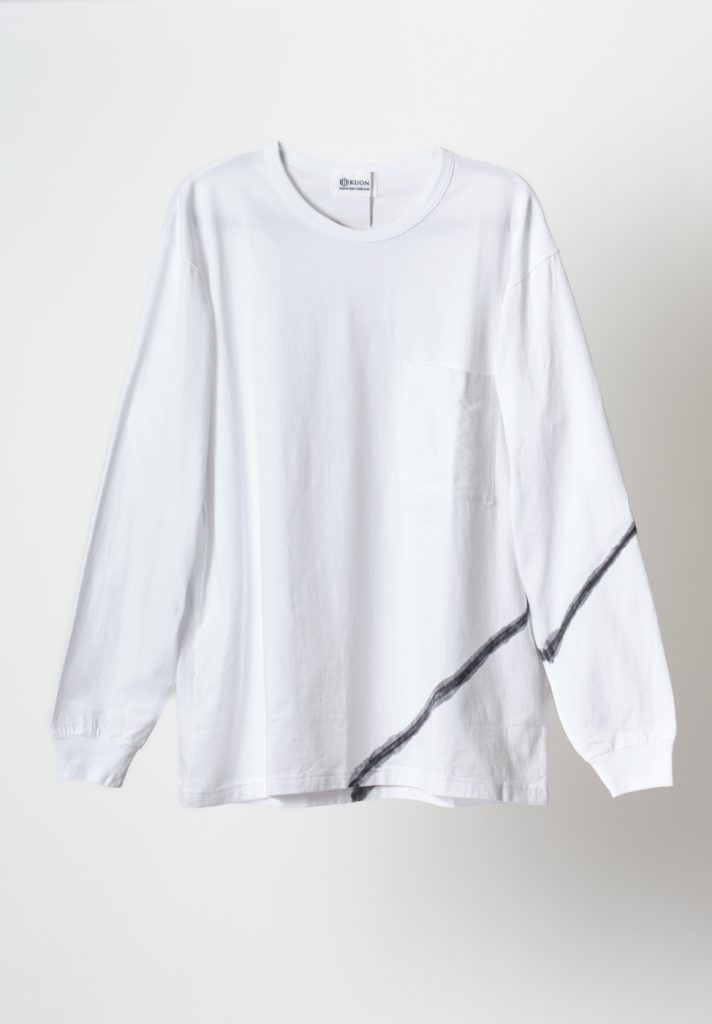
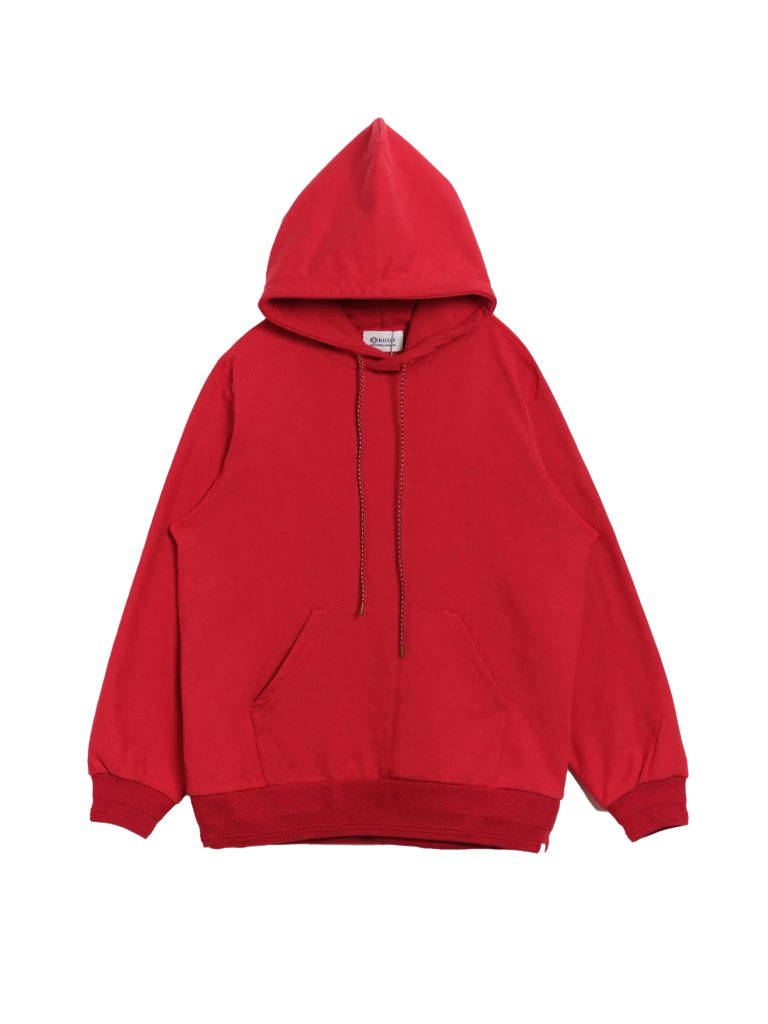
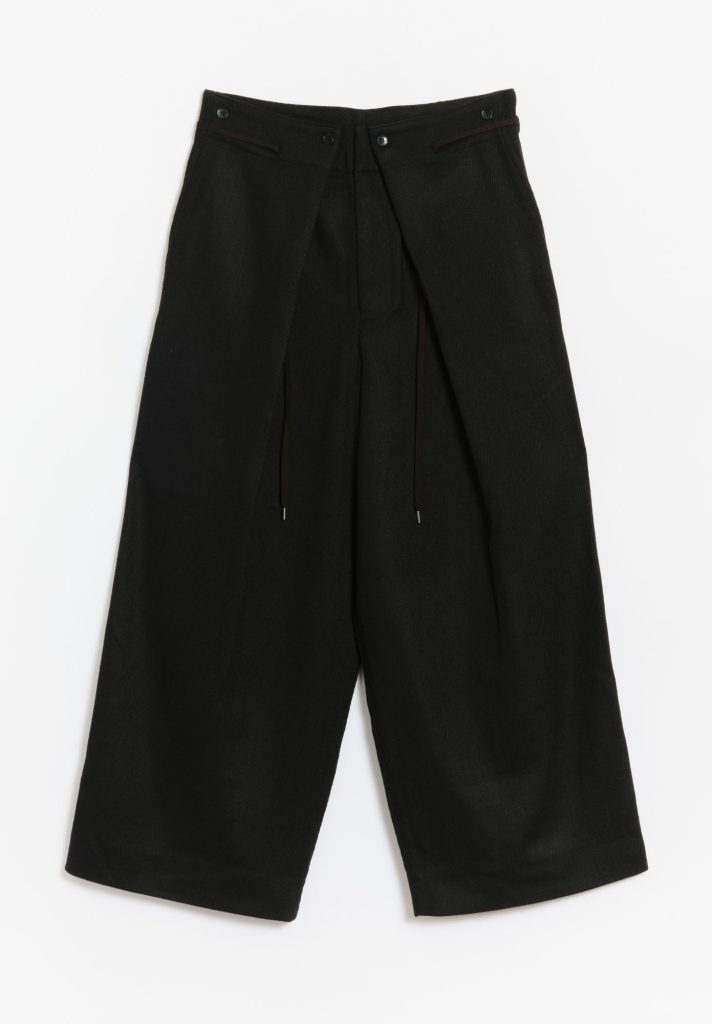
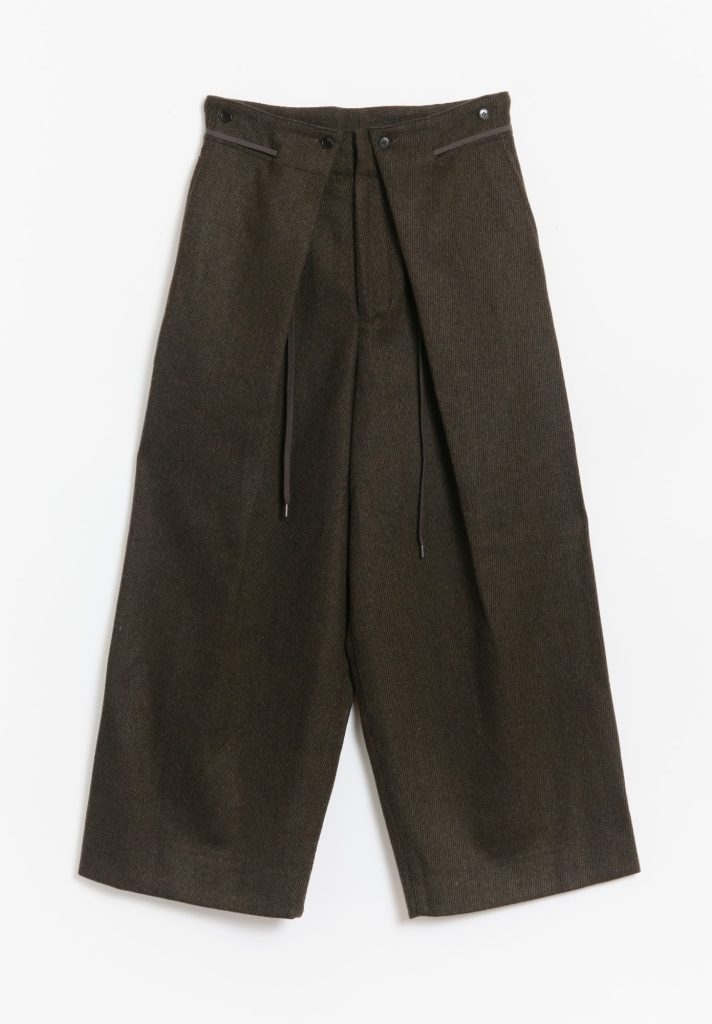
W Department carries KUON in menswear, nearly all of it made in Japan, with a few accessories alongside. The hakama trousers are the clearest statement, taking the wide pleated shape of traditional Japanese dress and rendering it in a wool blend, in black and olive, in seersucker, and in indigo denim. Alongside them sit the Aizome Sashiko shirt, the Arimatsu Shibori long sleeve tee, the Boro Jacquard wide trousers, the Boro bucket hat, the upcycled boro double ring belt, the patchwork and twisted sleeve hoodies, the Fanage corduroy blazer, and 13.5oz indigo selvedge denim trousers. We have written about the line before, at some length and without much restraint, in A Love Letter to Kuon.
These clothes are old and new at the same time. They are the clearest case in the store for repair understood as a design method rather than a last resort.