Rick Owens around the reflecting pool, Comme des Garçons in cloudlike crowns, Ann Demeulemeester at the Palais-Royal, an evening with Cortana, and what we brought home to Santa Fe.
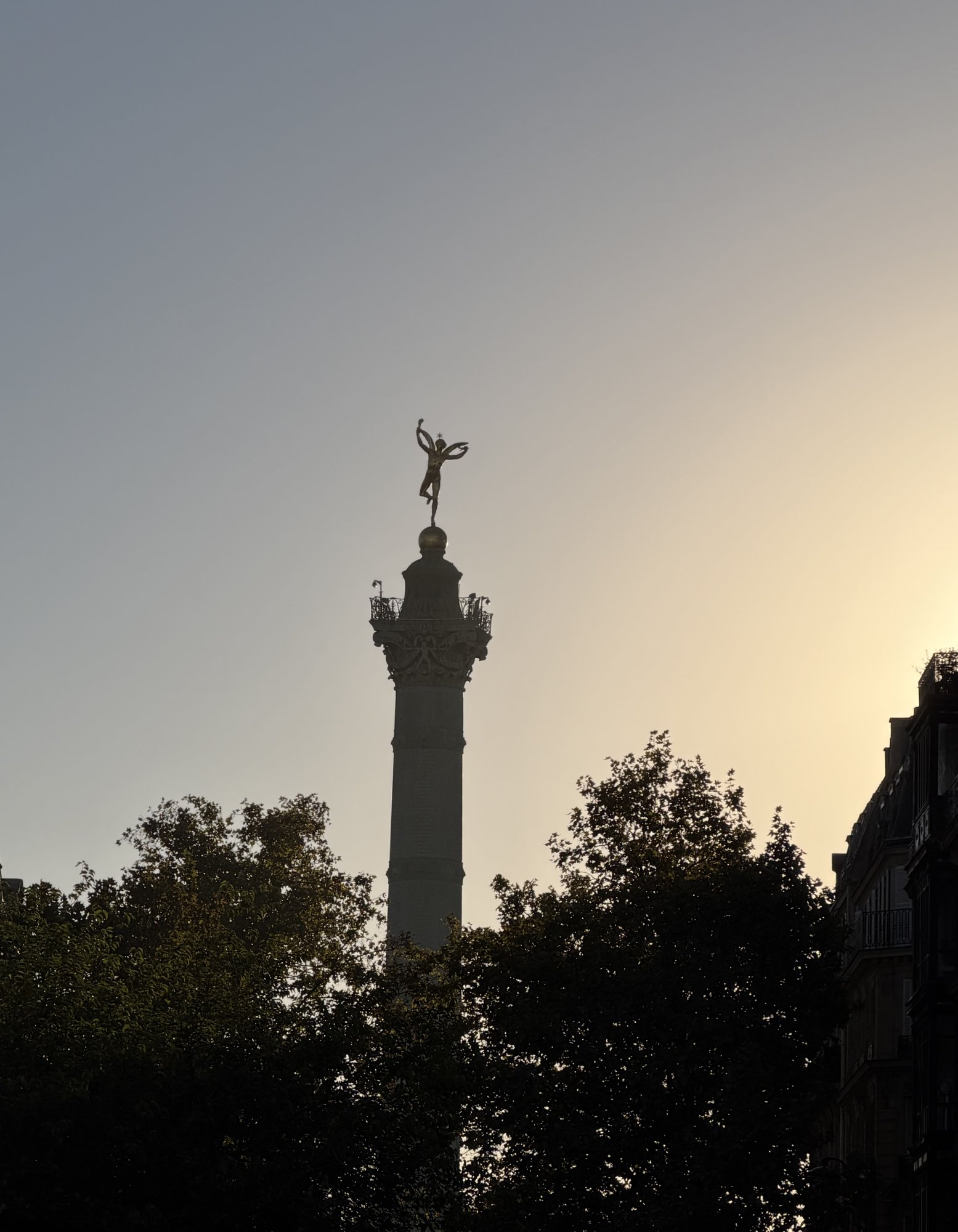
Paris was absurdly beautiful this season.
The weather was nearly perfect, and the city seemed determined to make Fashion Week feel easier than it usually does. There were protests and demonstrations in the background—enough to remind you that Paris is still Paris, and that the world outside the shows remains complicated—but they never quite became the story of the week.
Instead, this was one of those Fashion Weeks that felt both enjoyable and genuinely productive.
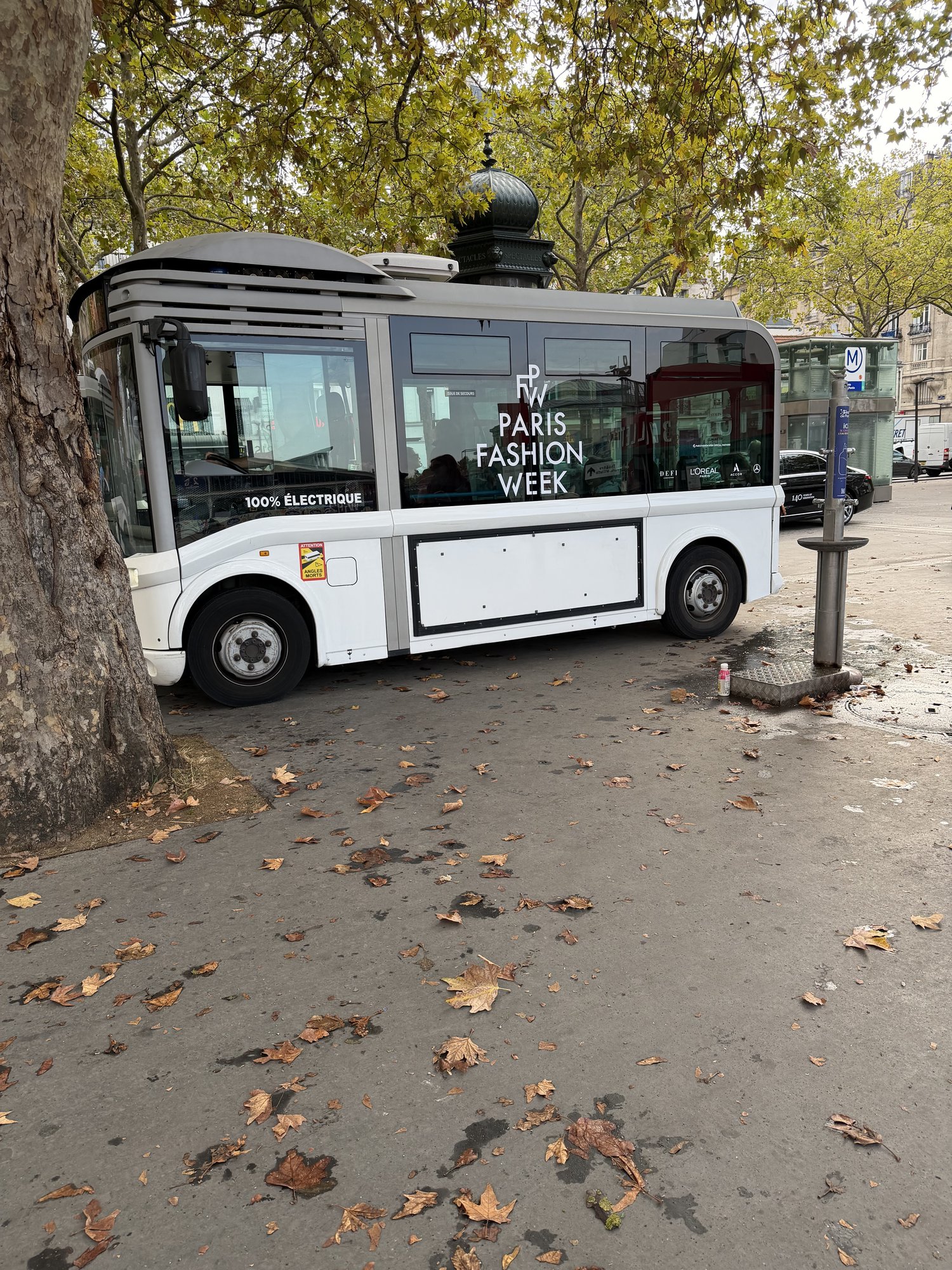
We saw the runway shows for Rick Owens, Comme des Garçons, Ann Demeulemeester and recent LVMH Prize winner, Julie Kegels. We went to the opening of Ann Demeulemeester’s new Palais-Royal store, saw the much-discussed Matières Fécales collection in the showroom, and spent an evening with Cortana that was part performance, part dinner, part gathering. We went to appointments, talked to designers and friends, looked at clothes, made some decisions, changed our minds about some of those decisions, and became more certain of others.
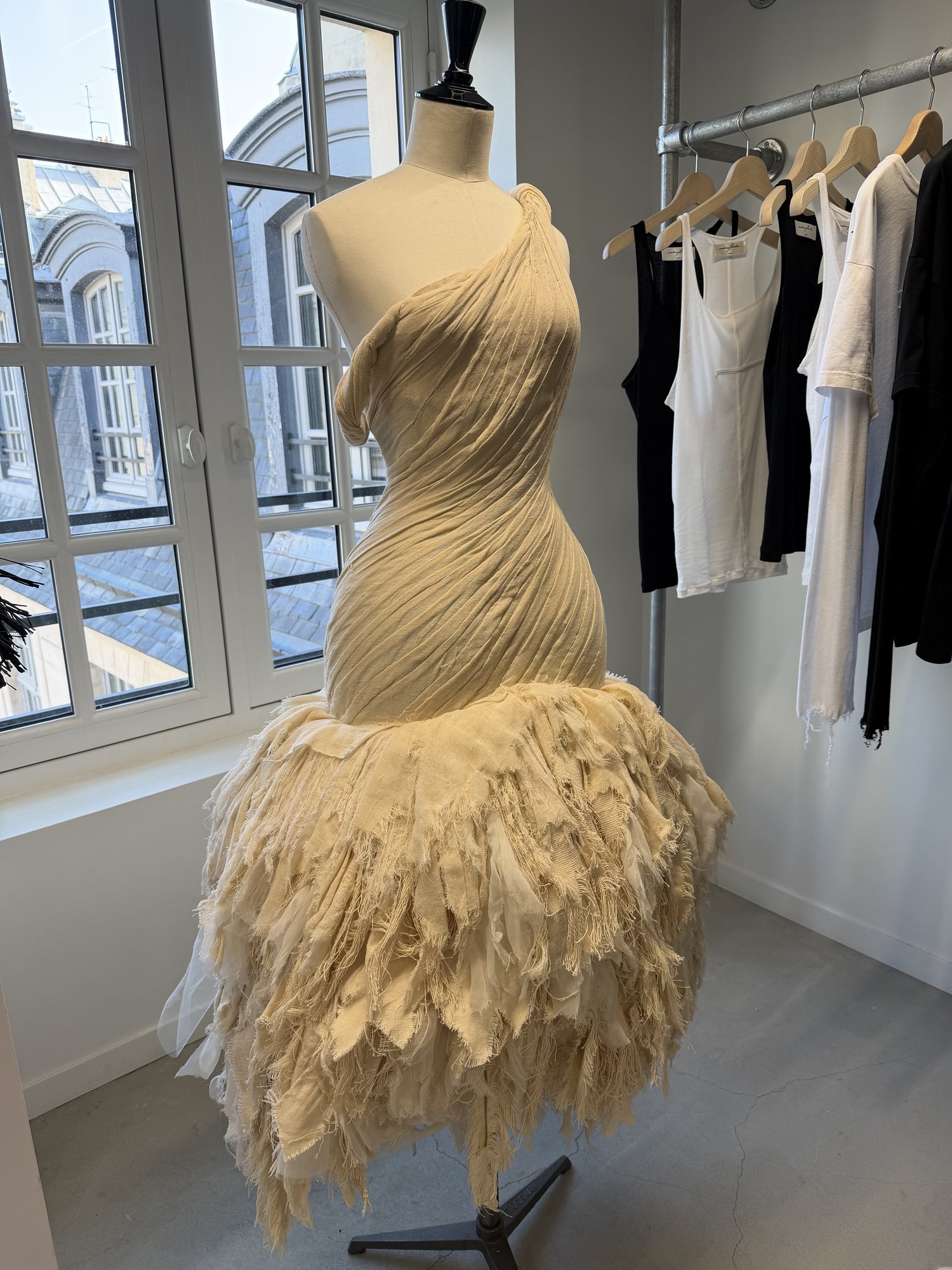
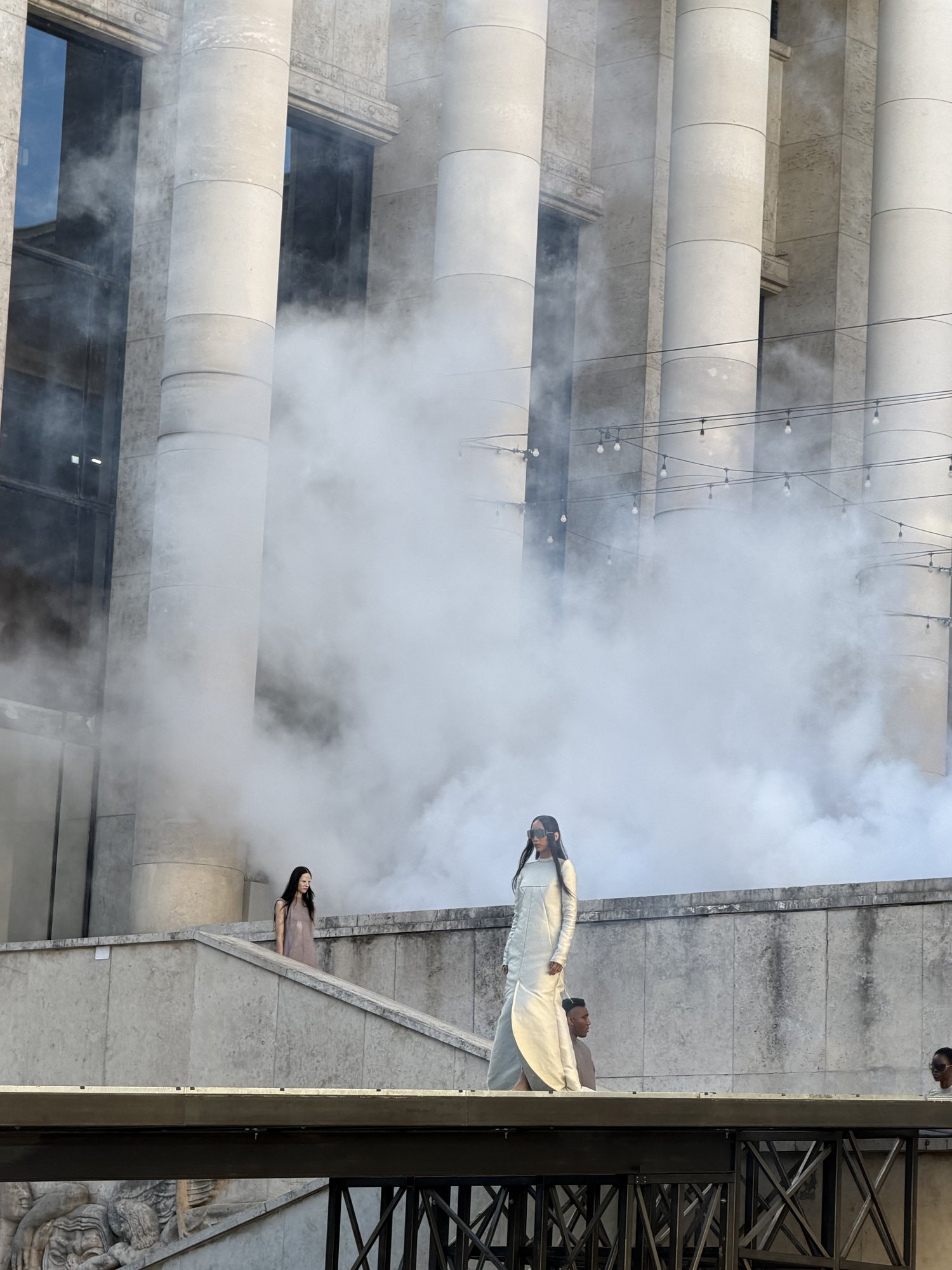
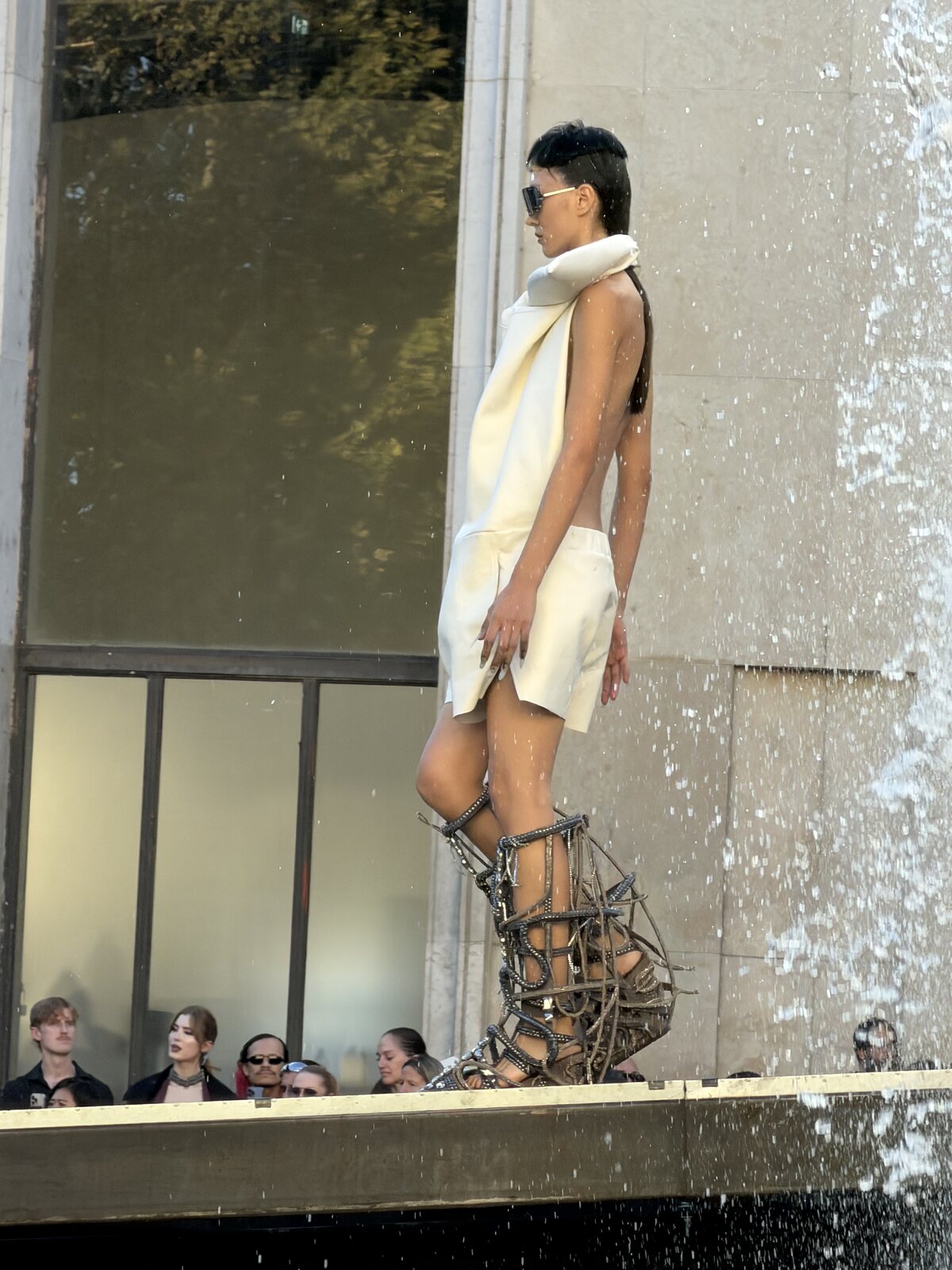
Rick Owens was, as usual, the most immersive.
The show at the Palais de Tokyo took place around the reflecting pool, with water and mist becoming as much a part of the experience as the clothes themselves. Depending on where you were seated, there was also the possibility of becoming rather more intimate with the fountains than anticipated. We were in the splash zone.
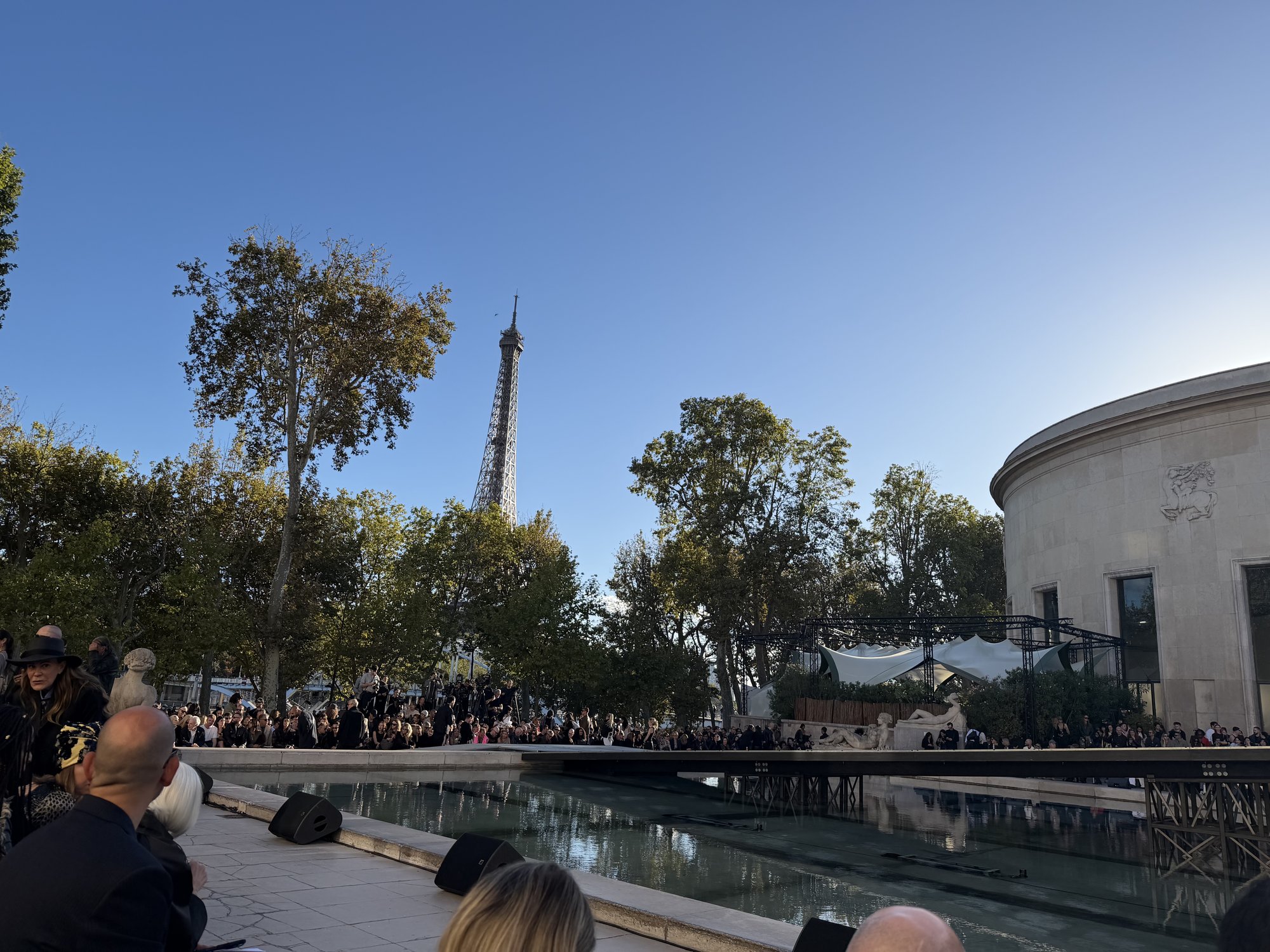
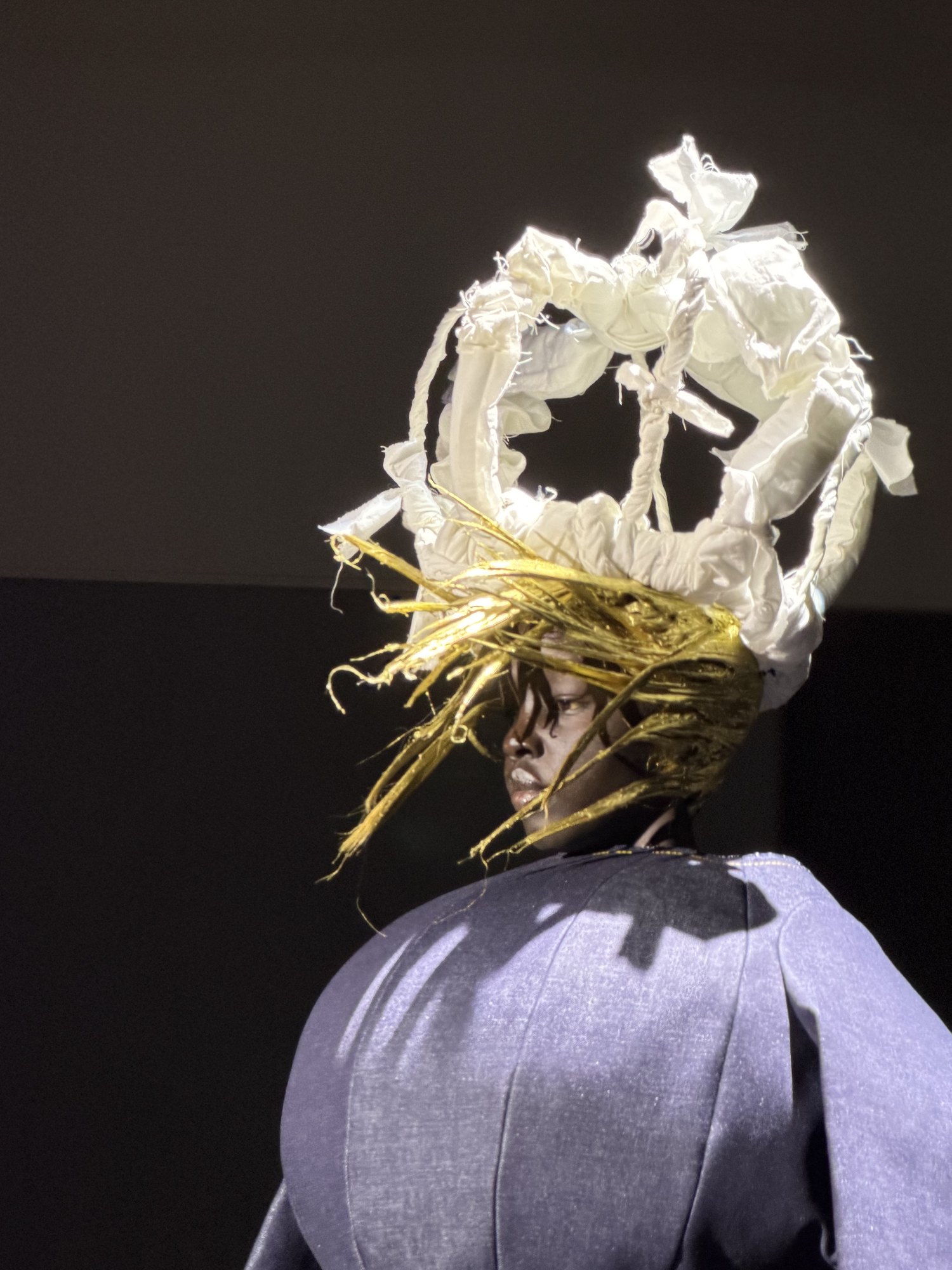
Comme des Garçons operates differently but with an equally complete sense of its own world. Rei Kawakubo still asks the audience to look before deciding what it is looking at. The point is not immediate legibility. The difficulty is part of the pleasure.
At a moment when so much fashion is optimized to be understood instantly—often through a photograph seen for three seconds on a phone—there remains something reassuring about work that refuses to explain itself quickly. Kawakubo’s only comment on the season was, “When royal life and everyday life become one.” As they have in the past several seasons, the models walked the runway in oversized, bulbous fabric constructions, but this time they were all adorned with cloudlike crowns.
Ann Demeulemeester offered another kind of continuity.
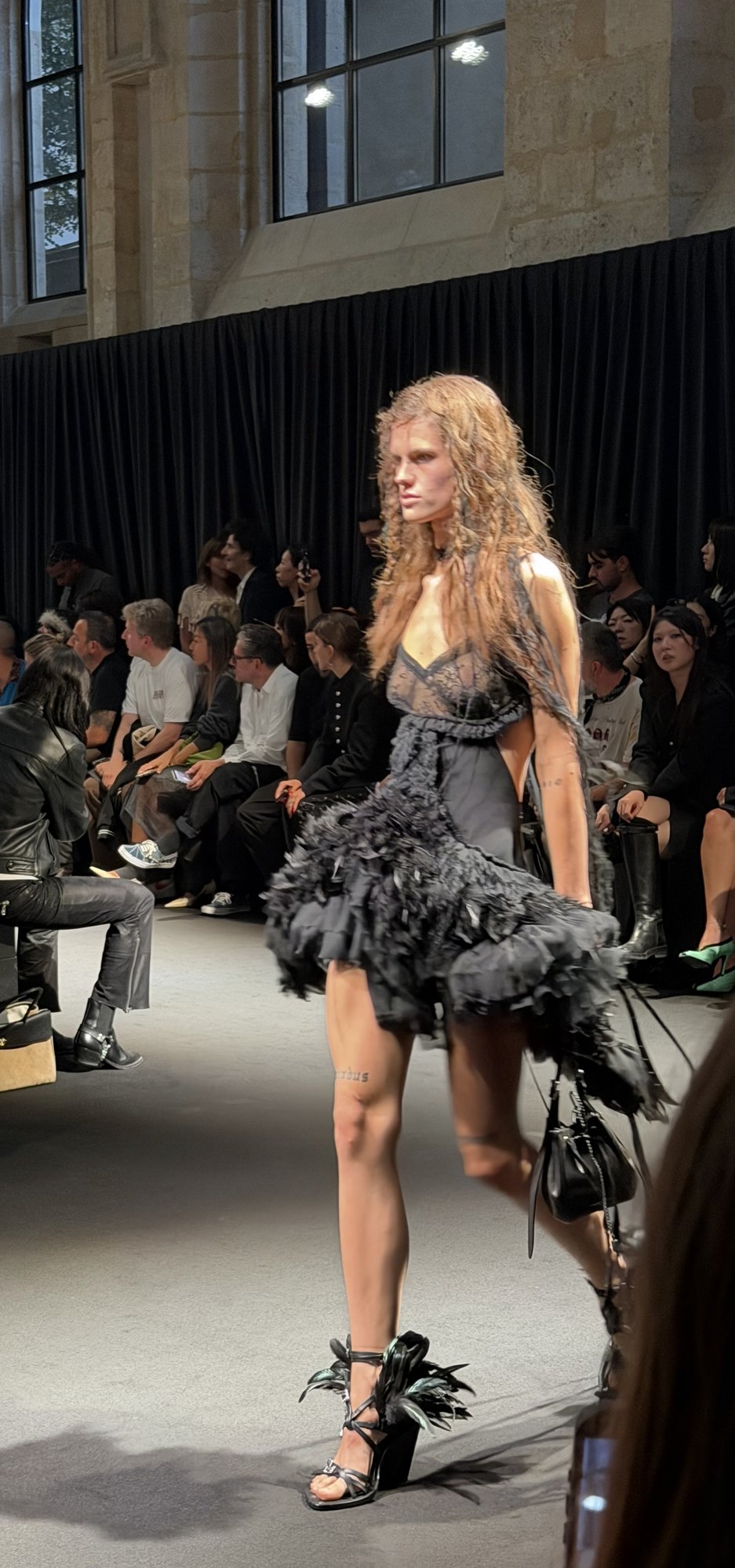
We saw the runway collection and, during the same week, the opening of the house’s new store at the Palais-Royal. Seeing those two things in proximity made the larger project under creative director Stefano Gallici easier to understand.
A runway can tell you where a designer wants to go. A store has to show you how people might actually live there. Ann Demeulemeester has always been about a tension between romance and severity, and Gallici holds that balance while innovating enough to allow the collections to feel active rather than archival. Heritage is useful only when someone knows what to do with it.
Cortana provided a counterpoint to the runway schedule.
The evening on Quai de Valmy unfolded through dance, music, projections, food and conversation rather than through a conventional presentation. It was generous and slightly difficult to categorize. We went to the showroom afterward, understanding the house’s holistic point of view more fully.
There was, of course, a larger Fashion Week happening around us.
Haider Ackermann continued to push Tom Ford toward a language of seduction, risk and freedom; Sarah Burton’s Givenchy concentrated on engineered cut and clarity; and Julian Klausner’s Dries Van Noten attracted some of the season’s most enthusiastic critical attention. Perhaps the most loaded moment came at Saint Laurent, where Anthony Vaccarello’s extraordinary gold-to-black finale was heavily lauded as his farewell after a decade at the house.
After several seasons dominated by appointments, debuts, and creative director musical chairs, the industry could finally focus – not on who had moved where, but what these designers were actually building.
Fashion is at its least interesting when it is only about the product. For us, what is more compelling is why something exists, who is making it, what they are reacting to, and what sort of life they imagine around it.
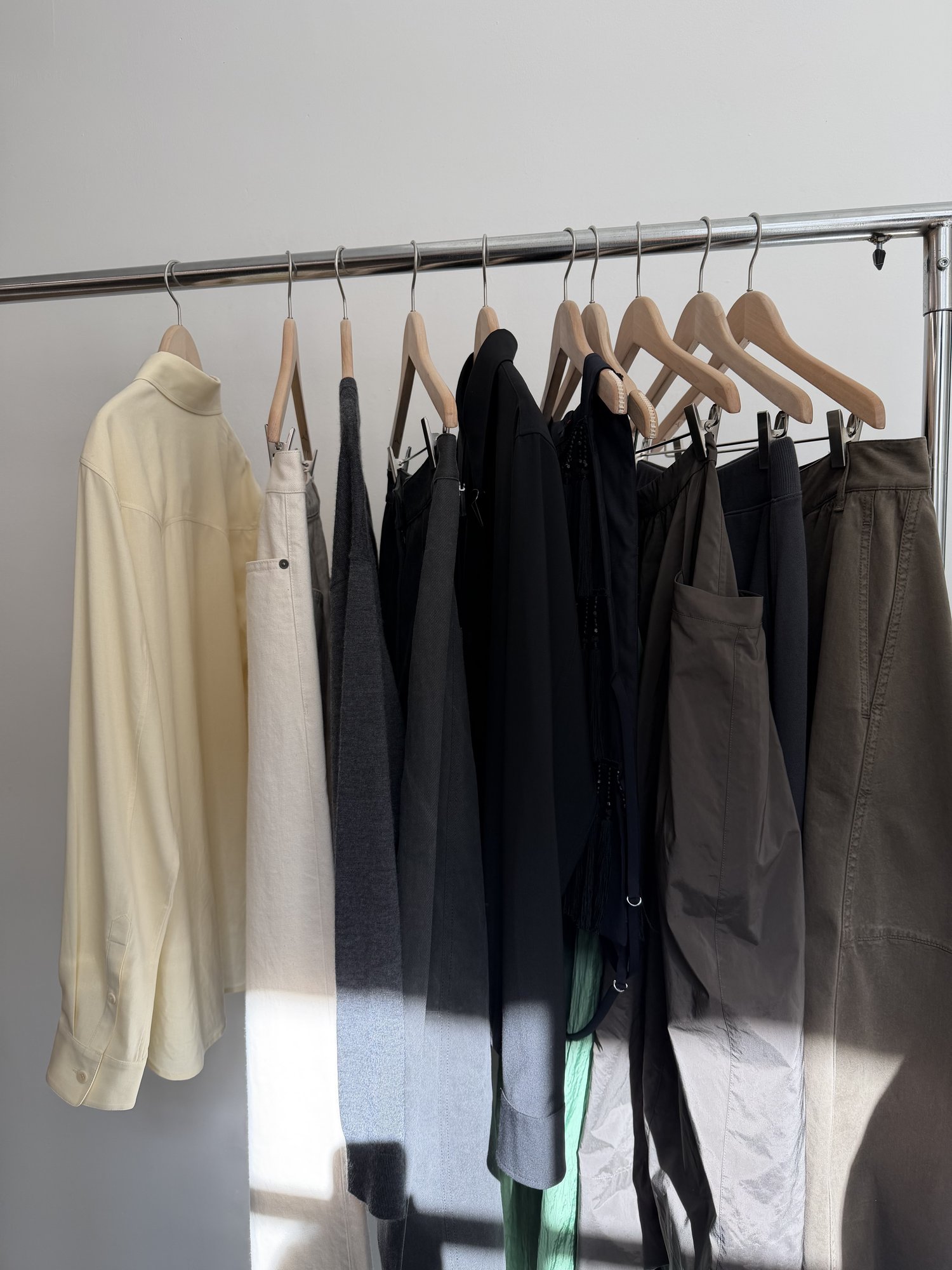
In the end, this Fashion Week inspired what we always hope for: we look, we talk, we reconsider, we buy. And we come home with an always-evolving idea of what W Department should be. That may be the best possible result of Fashion Week. Not a list of trends. A point of view.
—Christopher and Paisley